
Binance Security Incident: Facts and Account Safety
Understand Binance’s official security incident notice, distinguish confirmed statements from rumours, and protect your account from recovery scams.
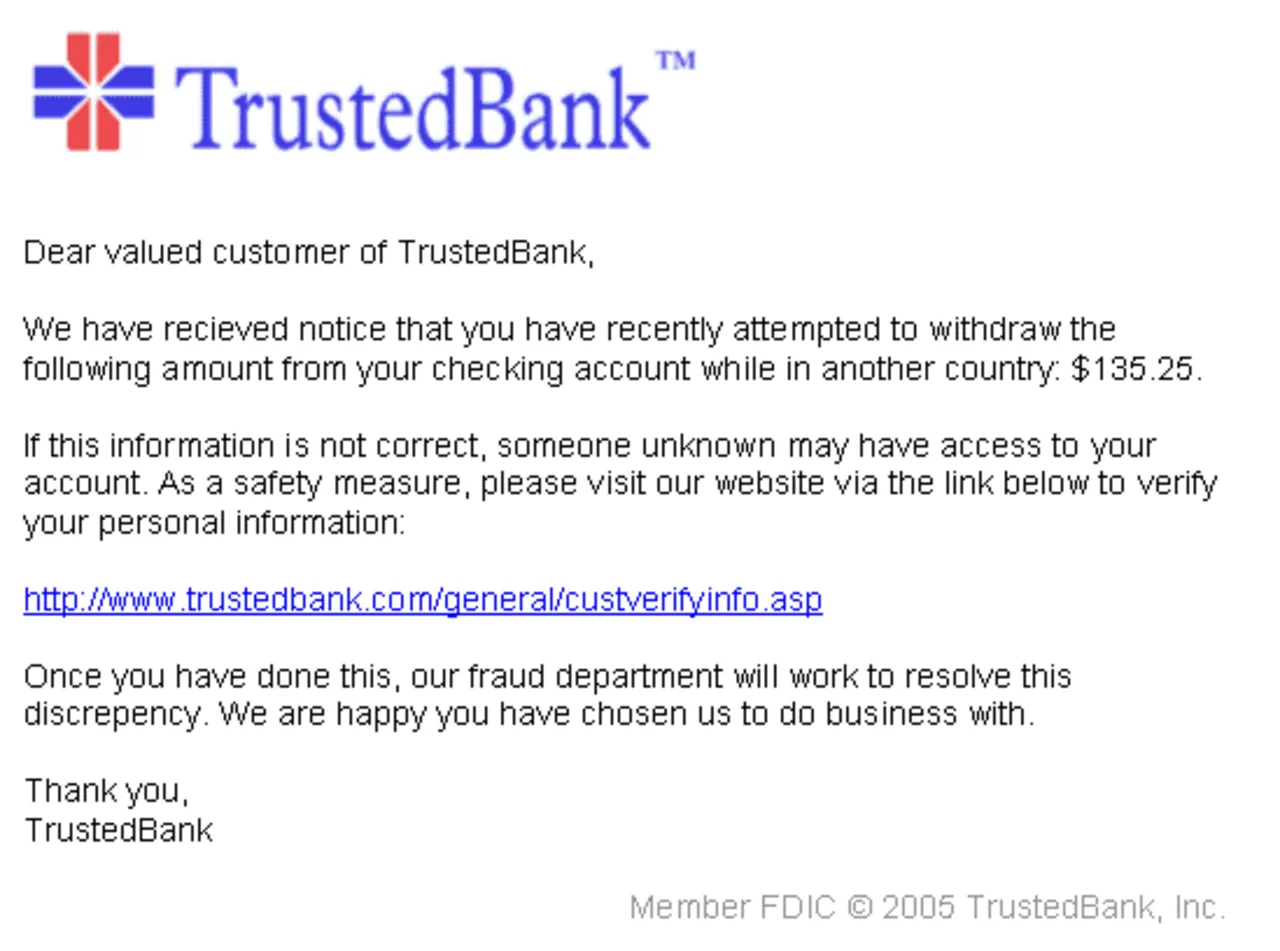
A Binance security incident claim should be evaluated through a dated, accessible official notice before its alleged losses, cause or recovery promises are repeated. The incident link supplied with the earlier draft could not be verified in this review. Accordingly, no specific October 2026 breach, loss figure or service suspension is established here. The useful immediate task is to verify the alert and protect account access.
Account safety involves two separate questions: what happened to the platform, and whether your own credentials or transactions show unauthorised activity. Those questions can overlap, but one does not automatically answer the other. The steps below help you inspect evidence, strengthen access controls and avoid a second fraud while waiting for reliable information. They do not require making a rushed trade or moving assets to an unfamiliar destination.
How can you distinguish an incident notice from a rumour?
A credible incident update identifies its publisher, timestamp, affected service and what is presently known. Read those details inside the actual notice. A screenshot, copied paragraph or social post claiming to quote an exchange is not equivalent to an accessible announcement, especially when the date or domain is missing.
Separate observations from explanations. A withdrawal problem may be observable to a customer; the reason for it may still be unknown. Maintenance, network congestion, an account restriction and a platform-wide security incident are different possibilities. A failed action alone does not establish which explanation applies.
Build a small incident timeline. Record when you saw the alert, when the publisher says the issue began and when a later update appeared. Keep the original wording of significant claims in private notes, but avoid circulating sensitive account details. This lets you identify changing findings without confusing revisions with contradictions.
Pay particular attention to terms such as preliminary, suspected, recovered and frozen. An asset being frozen is not necessarily the same as it being returned to a customer. A reimbursement commitment is a statement of intent until implementation and eligibility are established through further evidence.
A forensic explanation also needs a defined scope. A compromised employee device, a customer password leak and a wallet-signing failure involve different mechanisms. If no accessible primary record supports the proposed cause, leave it unresolved. Repeating a precise technical story can make speculation look much stronger than the evidence warrants.
What should you check first if an alert worries you?
Open your account through a trusted saved address or the application you already use, rather than a link in the alert, following the same official-information checks used for popular software announcements. Check service status and account notifications, then inspect the sign-in history and recent transactions. This establishes whether there is a platform message, a personal anomaly or neither.
Use a device you reasonably trust. If the device displaying the warning is also showing unexplained pop-ups or remote-control activity, do not enter fresh credentials into it. Move the account review to a clean device and keep a note of what made the original environment suspicious.
Review active sessions and recognised devices. An unfamiliar entry deserves investigation, but location data can be approximate or affected by network routing. Treat it as a signal to examine, not conclusive proof of a particular attacker. Compare the time with your own activity and any security notifications.
Inspect changes to security settings, approved destinations and connected services. A change you did not authorise can matter even before a suspicious withdrawal appears. Save the relevant timestamp and event description for a support ticket without sharing the screen publicly.
Keep your first response narrow: verify, document and contain the access issue through official controls. Avoid testing a supposed recovery address with a payment. A small transaction still sends money to that destination, and its success does not establish that the person supplying it is legitimate or capable of restoring access.
Which login protections provide practical value?
Use a unique password and supported multi-factor authentication, and consider a passkey or hardware security key where available. These controls address different failure modes. A password manager helps avoid reuse; phishing-resistant authentication reduces exposure to fake login pages. Account recovery settings and device protection remain important alongside either choice.
The national cybersecurity guidance reviewed here explains why passkeys can resist credential phishing better than passwords and transferable codes. That does not mean every message mentioning a passkey is trustworthy. A scam can still ask you to install software, approve an unrelated action or surrender access through another route.
An authenticator can add a second factor, but a one-time code should stay inside the legitimate authentication flow you initiated. Someone asking you to read it over a call or paste it into a support chat is asking for an access secret. Stop and independently reopen the official support channel.
Plan recovery before changing authentication methods. Store recovery codes securely and separately from an easily accessed message thread. Confirm that you understand how a lost phone or security key affects access. A well-intended security change can become an account recovery problem if every backup lives on the same lost device.
Protect the email account connected to the exchange with equivalent care. Password resets and notifications often depend on it. Review its recovery options and unfamiliar forwarding or application access. This creates a more complete boundary than strengthening the exchange login while leaving its recovery channel exposed.
What do withdrawal controls and API permissions change?
Withdrawal controls can limit destinations, while API permissions govern what connected software is allowed to do. The platform's security guidance describes a withdrawal address whitelist and recommends removing unused API access. Review those controls inside your own account and read any confirmation or waiting-period messages before changing them.
A whitelist is most useful when its entries have been independently checked. Do not add an address because an unsolicited caller labels it a safe vault. Verify the intended network and wallet address through your established process. Similar-looking strings are not a reliable visual test of ownership.
An API key is an access credential for software, not a harmless account label. If you do not recognise a connection or no longer use a trading tool, investigate its permissions through official settings. Avoid copying secrets into a chat to ask someone else whether they look valid.
Match the control to the risk
| Control | Main purpose | Follow-up question |
|---|---|---|
| Unique password | Reduce reuse-related exposure | Is the recovery email also protected? |
| Passkey or security key | Resist credential phishing | Is recovery prepared? |
| Withdrawal whitelist | Restrict permitted destinations | Who verified each address? |
| API review | Reduce unwanted software access | Are unused permissions removed? |
An anti-phishing code is one account feature to review, but it is not a substitute for checking the domain. Device security and protection against credential theft also matter when investigating possible account compromise.
Least privilege is a useful organising principle: grant only the access a tool needs. A read-only purpose should not casually receive broader transaction permissions. Keep a private inventory of connections so future reviews compare against something you recognise.
Why does device and email security matter during an incident?
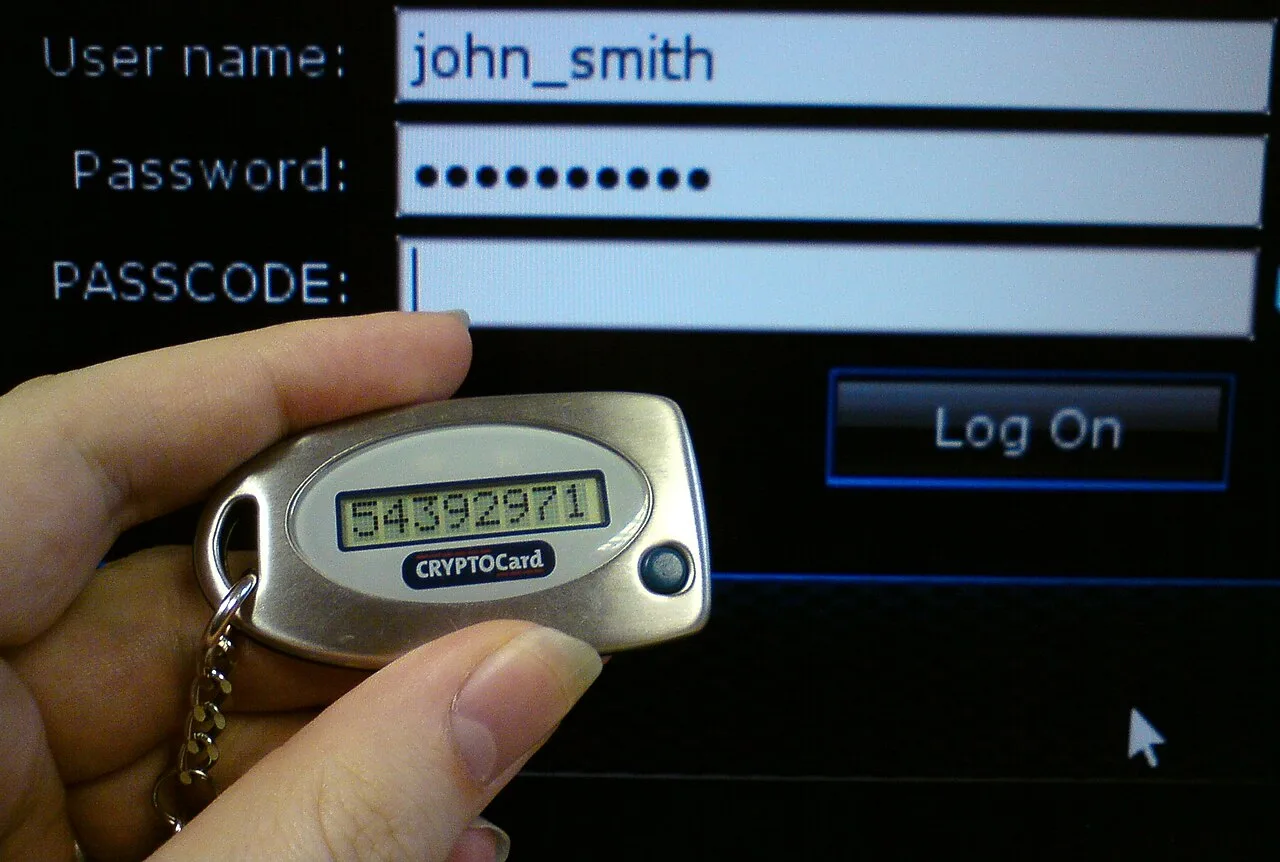
A hardware token illustrates one-time-code authentication. It is not a passkey and does not demonstrate Binance account access.
Account controls work within the device and communication environment you use. Malware, unsafe browser extensions or a compromised email account can undermine an otherwise careful login routine. Review software, updates and connected applications as part of the response instead of assuming that a password change alone removes every access path.
Start with software you recently installed or allowed to control the screen. If a supposed support agent persuaded you to install remote access software, end the session and investigate the device before returning to sensitive accounts. Do not continue screen sharing while entering authentication details or viewing recovery secrets.
Use established update and security tools rather than an unsolicited download advertised as an emergency cleaner. An incident-themed installer can create a new problem while pretending to fix the first one. Record its name and where it came from if you already installed it, then seek trustworthy device assistance.
Connected-application permissions deserve separate attention. The FBI's consent-phishing advisory explains that some access can persist through an authorised token and may require revoking the application's permission rather than merely changing a password. Check the relevant provider's connected-app settings when the evidence points to that kind of exposure.
Public Wi-Fi adds another reason to choose a controlled environment for sensitive account recovery. More broadly, avoid handling the process while distracted or rushed. A quiet review with a clean device, your own records and a verified support route reduces the chance of approving a request without understanding what it does.
How can you recognise a recovery scam?
A recovery scam targets the fear created by a loss or alarming headline. Typical approaches promise guaranteed restoration, special access to investigators or an urgent route to a safe wallet. Requests for advance payment, secrets, remote control or an unexplained wallet signature are strong reasons to stop.
The consumer-protection guidance reviewed here warns that exchange-loss stories can attract unsolicited recovery offers. A persuasive caller may know public details about a real event and still have no legitimate relationship with the platform. Accurate background information does not authenticate the person making contact.
Never provide a seed phrase or private key to someone claiming to inspect a wallet. Those secrets can grant control over assets. Likewise, a support conversation should not become a request to approve a transaction whose destination or permissions you do not understand. Read the action on your own trusted screen.
Impersonation can use an employee's name, a copied logo or an account with a convincing profile. Verify the channel independently. Do not use the phone number or chat link supplied by the same person whose identity you are trying to establish, because that simply returns you to their controlled route.
Consider a fictional message promising to release a frozen balance after a verification deposit. Its wording presents payment as an administrative step, but the practical action is still sending funds to the sender's chosen address. Pause at that concrete action. Ask what official process authorises it and verify that process separately before doing anything.
What evidence helps support investigate suspicious activity?
Prepare a concise account of what happened, including timestamps, affected account identifiers, transaction references and actions you took. Keep credentials out of the report. A support team can investigate a transaction hash or event description without needing your password, recovery codes or wallet secrets.
Distinguish a wallet address from a transaction hash. The address identifies a destination or account on a particular blockchain; the hash identifies a transaction record. Include the network as well, because a string without that context can be ambiguous. Copy carefully rather than retyping from a blurred screenshot.
A blockchain record can establish recorded movement, but it does not by itself establish the real-world identity, intention or authority of everyone involved. Avoid announcing attacker attribution from a flow chart alone. An investigation may need platform records and other evidence that are not public.
Keep original screenshots and messages privately, including the sender details and dates. For a public discussion, redact account numbers, email addresses and other privacy-sensitive material. Redaction should create a separate sharing copy so the original evidence remains available for legitimate investigation.
When contacting support, state the specific outcome you need: review an unfamiliar session, investigate a transaction or clarify an account restriction. A focused request is easier to act on than a long list of rumours. Keep the case reference and later replies together so each follow-up builds on the same evidence.
How should you assess restoration and longer-term risk?
Service restoration, asset recovery and individual account access are separate milestones. A deposit service resuming does not automatically establish that every withdrawal route is open or every affected customer has received compensation. Read the scope and timestamp of each update and compare it with your own account's status.
Terms such as hot wallet, cold wallet and custody describe different arrangements, but the label alone does not settle the cause or consequences of an incident. Ask what system was affected, what evidence supports that assessment and what corrective action has actually been completed.
Do not let a security review turn into an impulsive transfer plan. Moving assets introduces its own destination, network and access risks. If you make a decision later, check the details through your established process rather than accepting a route chosen by an unsolicited helper.
After the urgent issue is contained, review password reuse, recovery readiness, API access and recognised devices. Write down the control you changed and the reason. This turns a frightening alert into a maintainable security routine instead of a one-off burst of settings changes you may not remember.
A reliable incident summary should finish with confirmed facts, unresolved questions and the next meaningful evidence to look for. In this case the specific draft notice was not verifiable, so exact loss claims remain excluded. The practical account checks remain useful because they address observable access risks rather than depending on an unconfirmed headline.
Repeat the review after any confirmed incident update that changes the affected services or recommended action. A dated checklist makes that follow-up manageable and shows which questions have actually been resolved.
Sources
Source 1 · Source 2 · Source 3 · Source 4 · Source 5 · Source 6
Image credits: Cover: Andrew Levine, source, Public domain. Resized and converted to WebP. Article image: Brian Ronald, source, CC BY-SA 4.0. Resized and converted to WebP.
Found an error or an outdated detail? Report a correction with the article URL and original source.