
Girls’ Education in Pakistan: Practical Support
Learn practical ways to support girls’ education in Pakistan through safe access, learning resources and evidence-based discussion of school barriers.
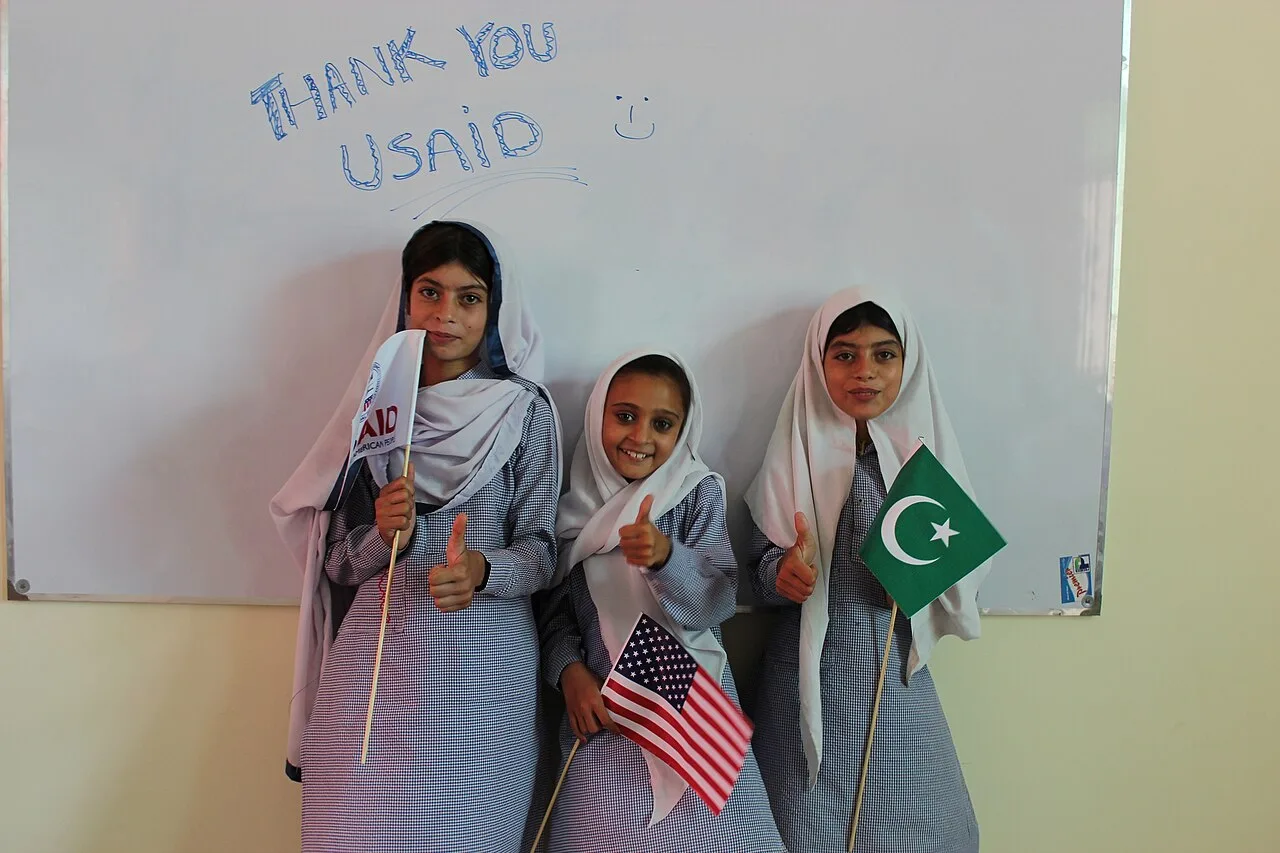
Girls' education in Pakistan improves when support addresses a learner's actual barrier and produces meaningful learning. Enrolment matters, but so do regular attendance, understanding lessons, completing a grade and moving to the next stage. A useful plan starts with the student and a trusted school contact, then selects a practical action whose effect can be checked.
UNICEF Pakistan's education programme identifies unequal access, retention and learning as connected challenges, including barriers affecting adolescent girls. This guide turns that broad concern into a local planning method for families, teachers and community volunteers. It avoids assigning one explanation to every household and focuses on respectful conversations, workable resources and progress that can be observed without exposing a child's private circumstances.
How do you identify the barrier a particular learner faces?
Ask what prevents attendance, participation or progress, then listen before choosing a solution. Distance, transport, costs, household responsibilities, learning gaps and school facilities can interact differently for each learner. A useful conversation identifies the immediate obstacle and the person who can help address it, rather than assuming motivation is the only problem.
Arrange the conversation through a trusted teacher or school administrator where appropriate. Give the student a way to express preferences without being embarrassed in front of a large group. A learner may be willing to study but unable to use the proposed transport, device or timetable. Those practical details should shape the plan from the beginning.
Separate the visible symptom from a possible cause. Repeated absence is an observation; the reason needs investigation. Missing homework might reflect difficulty with the material, lack of a quiet place or confusion about the assignment. Responding with more worksheets before understanding the issue can increase the burden without improving learning or attendance.
Write a short barrier statement in neutral language. For example, an invented case might say the learner cannot reach the next school reliably on two weekdays. That is more useful than calling the family uninterested. The specific statement allows a focused discussion about transport, scheduling or another approved local arrangement and gives the eventual support a clear purpose.
Why are enrolment, attendance, completion and learning different measures?
Enrolment records registration, attendance records participation over time, completion records finishing a defined stage and learning concerns what the student can understand or do. Improvement in one measure does not automatically establish improvement in the others. A programme should say which outcome it is trying to change and how that outcome will be checked.
Imagine a learner receives admission and textbooks but misses several days each week. Enrolment has improved, while regular participation remains unresolved. Another student may attend consistently yet struggle to read the assigned passage. The next action should address the remaining problem rather than declaring success because one administrative milestone has been achieved.
National statistics can describe patterns, but they cannot diagnose an individual child. Check the age range, reference year and geographical coverage before quoting a figure. Province-level totals and district-level rates answer different questions. A large absolute number does not necessarily indicate the largest proportion, and a national average can hide substantial local variation.
For a school-level plan, choose a few measures that fit the goal. These might include days attended, completion of a short reading task and readiness for the next admission step. Keep the record small and purposeful. A volunteer does not need to create a detailed personal dossier to determine whether the agreed support is helping.
What makes learning support useful when a student has fallen behind?
Useful support begins at the learner's current level and connects it with the class objective. A large collection of resources is less helpful than a clear explanation, a worked example and a manageable practice task. Establish what the student can already do before deciding how much material to provide.
For an invented mathematics example, a learner struggling with fractions may first need help comparing equal parts or understanding division. Repeating the chapter's hardest questions will not identify that gap. Ask the student to explain a simple problem aloud, notice where understanding breaks down and work on that step before returning to the grade-level task.
Reading support needs similar attention to language and comprehension. A student may recognise words without understanding the passage, or understand an oral explanation while struggling with the textbook's language. Choose a short text and ask for its meaning in the learner's own words. The response can guide the next lesson more effectively than page counts alone.
The education resource guide discusses selecting materials that actually teach. Use a small number of appropriate resources consistently, and coordinate with the teacher so home practice reinforces the classroom goal. Support should reduce confusion, not introduce a competing sequence of topics that leaves the learner uncertain about what matters.
How can families plan study when devices and internet are limited?
Plan around the access that exists, not the access an online lesson assumes. Shared phones, intermittent connectivity, limited data and charging constraints can make a permanently connected timetable unrealistic. Printed pages, downloaded text and short offline practice can support continuity when used with a clear subject plan.
Begin by identifying when a device is reliably available and which tasks genuinely need it. A video explanation might be watched once during that window, followed by written practice away from the screen. Avoid requiring every answer to be uploaded immediately if the learning objective can be checked later by a teacher or caregiver.
Keep files easy to locate. A folder labelled by class, subject and chapter is more usable than hundreds of unexplained PDFs. Test whether the material opens on the actual device and whether text is readable without constant zooming. A technically available resource is not accessible in practice if the learner cannot find or read the correct page.
The home learning routine guide offers a planning approach that can be adapted for different children and caregivers. The important point is predictable support, not a rigid family model. Agree a realistic weekly routine with the learner and review whether it fits school, rest and other responsibilities.
| Barrier identified | A focused support option | What to review |
|---|---|---|
| Unreliable travel | School-approved transport discussion | Whether attendance becomes more regular |
| Missing materials | Correct textbook and a small practice set | Whether the learner can use them |
| Learning gap | Short level-appropriate explanation | Understanding of the specific concept |
| Shared device | Offline work plus an agreed access window | Whether tasks can be completed |
| Transition uncertainty | Admission checklist with school contact | Whether the next step is confirmed |
| Facility concern | Confidential school-level discussion | Whether the concern is addressed |
How should schools and communities approach safety and dignity?
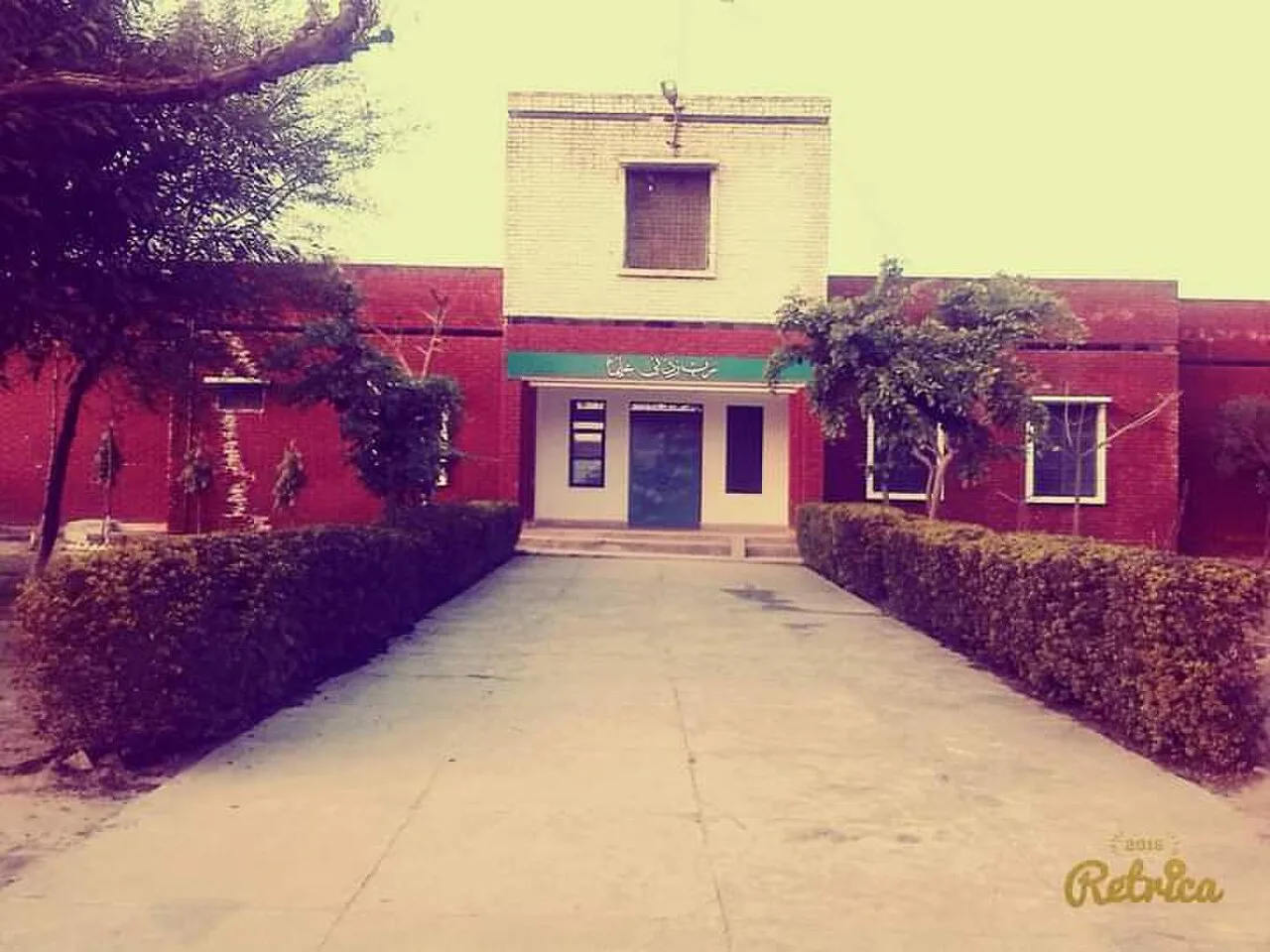
Girls’ school in Bhagwal photographed in 2023; a concrete school setting for discussing access and facilities.
Support should protect the learner's dignity, privacy and ability to speak about concerns through appropriate trusted channels. Practical questions about travel, facilities, respectful treatment and digital access should be taken seriously. A child's personal difficulty should not become promotional content or a public story required in exchange for assistance.
Discuss school facilities through the responsible school contact. Water, sanitation, privacy and accessible spaces can affect participation, but the appropriate response depends on the actual setting. Record the concern and agreed follow-up rather than asking the student to repeat it publicly. The goal is a usable improvement, not an attractive photograph of a problem.
Digital learning introduces another set of practical needs. Teach students to protect passwords, recognise suspicious messages and ask a trusted adult before sharing identifying details. Use only information necessary for the learning task. A class exercise rarely needs a home address, personal photograph or public account profile to demonstrate that a question has been answered.
Volunteers should work through accountable school or community arrangements rather than creating private, informal access to children. Keep responsibilities clear and use the institution's safeguarding procedures. Where a concern is reported, respond through the appropriate established channel instead of conducting an amateur investigation or sharing the details in a public group.
What should happen when a learner needs to enter or return to school?
Clarify the appropriate placement, admission process, required records and available support with the relevant institution. A learner returning after an interruption may need both an administrative route and help reconnecting with lessons. Do not promise a place, exemption or certificate without confirmation from the responsible school or education authority.
Make a short checklist with the next action, responsible person and date for follow-up. If a document is missing, ask the institution what alternatives or procedures apply. Avoid assuming every district or programme uses identical requirements. The student should not have to navigate conflicting instructions from several well-meaning helpers.
Alternative learning pathways can be relevant where ordinary entry is difficult, and UNICEF describes work supporting such approaches. Availability, recognition and progression routes still need local verification. Before recommending a programme, ask who operates it, what is taught, how learning is assessed and what transition to further education is possible.
Returning students also need a welcoming learning plan. Identify the first week's manageable goals, the teacher contact and how missed material will be approached. A public test designed to display how far behind the student is can undermine the return. A private, supportive assessment is more useful for deciding what instruction should come next.
How can support continue through the transition to the next stage?
Begin transition planning before the final weeks of the current stage. Identify the next institution, subject requirements, travel arrangements, costs and application dates. A learner can complete one grade successfully and still face a new barrier when the next school is farther away or the admission process is unfamiliar.
Create a transition map with three parts: academic readiness, practical access and administrative steps. Academic readiness concerns the knowledge needed next. Practical access includes the journey, timetable and materials. Administrative steps include forms and confirmed deadlines. Each part needs an owner and a follow-up date so responsibility does not disappear between institutions.
The study-calendar planning guide can help organise revision and application tasks together. Keep the calendar realistic. A student preparing for examinations may not be able to complete several new administrative tasks in one afternoon, particularly when documents or school visits depend on adults' availability.
Discuss aspirations with the learner rather than selecting a path solely for convenience or prestige. Interests can develop, and subject choices should be based on accurate information about requirements. Encourage questions about different routes without guaranteeing future employment or treating one course as suitable for every girl. Support should expand informed options rather than replace the student's voice.
How do you know whether a small support plan is working?
Check whether the agreed action changed the specific barrier and whether learning or participation improved. Review with the student and the relevant teacher after a reasonable interval. If the action did not help, adjust it. Activity counts, donated items and photographs are not sufficient evidence that the learner's situation improved.
For an invented four-week plan, the initial goal might be reliable attendance on previously difficult days and understanding one missed mathematics topic. Record attendance through the school's normal process and use a short teacher-reviewed task for the concept. The two measures address separate goals and avoid pretending that transport support alone proves academic progress.
Ask about unintended burdens. A new tutoring session might conflict with travel or rest, while an online resource might increase data costs. A useful review includes whether the learner can sustain the plan. More hours are not automatically better if the schedule becomes exhausting or the work is poorly matched to the student's needs.
Keep the outcome note concise: what was tried, what changed, what remains and the next action. Share it only with the people who need it for support. This creates continuity without turning a learner into a case study for publicity. The standard of success is a more workable route to education, with the student's dignity preserved.
A practical first-month plan
In the first week, listen and agree on one priority. In the second, arrange the smallest useful support with the school contact. In the third, check whether the learner can use it and remove obvious obstacles. In the fourth, review participation and one relevant learning outcome. This sequence can be adapted to the local timetable rather than followed mechanically.
A community group can use the same approach at a slightly larger scale. Choose one clearly defined problem, such as a missing set of appropriate textbooks, and coordinate through the school. Keep an item record and a learning-use check. Avoid collecting unnecessary family information simply because a spreadsheet makes it possible to store more data.
Peer support can help when structured respectfully. Students might practise reading together, compare a worked example or help organise subject folders. The arrangement should be supervised appropriately and should not make one child responsible for solving another's complex barriers. It works best as a complement to teaching and institutional support.
The most useful question at each review is concrete: what would make the next week of learning more achievable? Sometimes the answer is a correct textbook, a clearer explanation or a confirmed admission step. Small actions become meaningful when they address a real obstacle, are shaped with the learner and lead to sustained participation and understanding.
Sources
Source 1 Source 2 Source 3 Source 4
Image credits: Cover: USAID Pakistan, source, Public domain. Resized and converted to WebP. Article image: Murshad87, source, CC BY 4.0. Resized and converted to WebP.
Result dates, fees and eligibility must be checked against the issuing authority's current notice. Report a correction with the article URL and original source.