
Pakistan vs India: Hong Kong Sixes Match Guide
Check Pakistan vs India Hong Kong Sixes fixture details, Pakistan time and format, with official sources for squads, scores and updates.
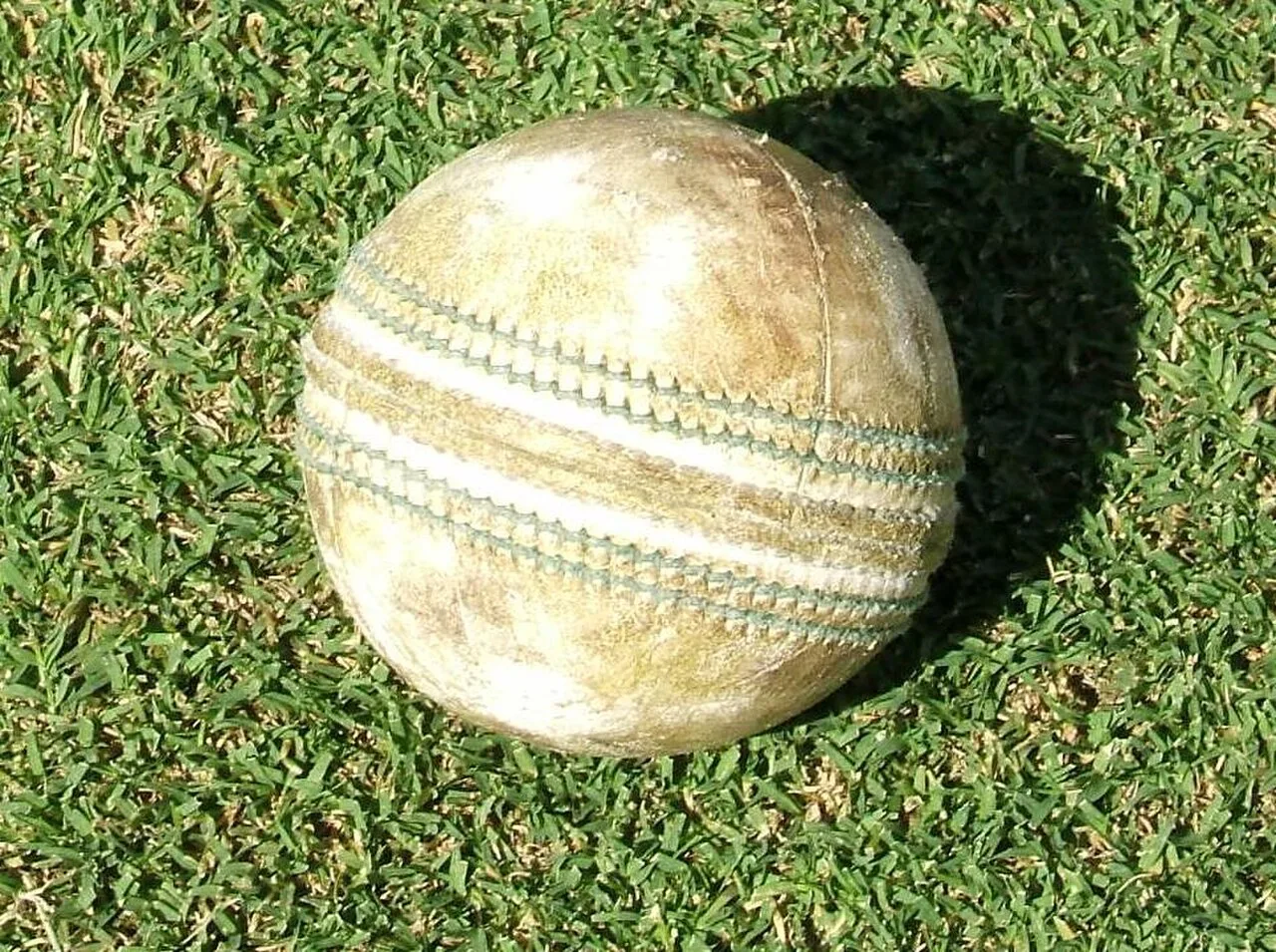
Pakistan vs India in the Hong Kong Sixes is a distinct short-format fixture, not an ordinary T20 international. The organiser lists their Group C meeting on 30 October 2026 at Tin Kwong Road Recreation Ground, Kowloon, with a 14:15 Hong Kong scheduled start. That corresponds to 11:15 AM Pakistan Standard Time. Understanding the event's format is essential before interpreting a score or comparing players.
The most interesting part of Sixes is how little time there is to repair a mistake. A boundary, a missed chance or an extra delivery can change a substantial share of the innings. This guide explains that compressed contest through worked examples, selection questions and tournament reading skills. Example scores are invented for calculation practice and do not report the outcome of the Pakistan vs India match.
Which Pakistan vs India match are you following?
Check that the fixture explicitly identifies Hong Kong Sixes, Group C and the correct date before interpreting any update. The published organiser schedule places this meeting in the opening day's group stage. A Pakistan vs India search can also surface other competitions, age groups, historical games and unrelated highlights.
Record the match identity in a single note: teams, competition, date, venue and scheduled start. That gives you something concrete to compare against a score graphic. If a screenshot omits the competition, do not fill in the missing information from the colours of the shirts or a familiar player's face.
The fixture page offers Hong Kong time and a local-time option. Check which view you are reading before subtracting hours. Hong Kong is three hours ahead of Pakistan, so 14:15 becomes 11:15 on the same date. A device showing Pakistan time already needs no further conversion.
A short tournament runs several games in succession. An earlier interruption can affect the actual start even when the published timetable has not changed. Treat the scheduled time as a planning reference and the match status as the record of what is happening.
For a viewing group, share the full fixture note rather than a bare clock time. Also distinguish the opening of coverage from the first delivery. This prevents someone from assuming that a studio programme, replay or previous match is the start of the contest they intended to watch.
Why is Sixes tactically different from a T20I?
Six-a-side cricket compresses batting opportunities and reduces the number of fielders available to defend the ground. The organiser's 2026 announcement describes six overs per innings and a modified bowling allocation. Those features change how captains distribute responsibility and how batters balance immediate scoring against the cost of losing partners.
With fewer fielders, boundary protection involves sharper trade-offs. Moving a defender toward one preferred hitting zone leaves another area less protected. A captain may respond to a batter's strength, but the batter can also respond to the visible gap. Watch the field placement before the shot, not only the ball landing afterwards.
The short duration gives every dot ball a relatively large share of the innings. In a hypothetical 36-ball allocation, three scoreless legal deliveries consume one twelfth of the available balls. That does not make every defensive shot wrong, but it explains why sustained strike rotation can be valuable alongside power hitting.
Bowling responsibility is also spread differently from a standard T20 match. The official announcement describes a designated bowler who may deliver two overs, with other restrictions shaping the allocation. Read the event's actual playing conditions before assuming that a familiar international specialist can bowl an ordinary four-over spell.
The international team names do not automatically make the resulting statistics T20I statistics. Keep the event label attached to performances in your notes. A useful Sixes analysis explains decisions within this particular format instead of treating the score as an unusually short version of a different competition.
What must you confirm about squads and unusual rules?
A squad is a tournament selection pool, while a team sheet identifies the players selected for a particular game. Confirm the captain, wicketkeeper and actual participants from that match's official record. A player listed in an earlier announcement may not necessarily appear in every fixture.
That distinction matters especially when assessing bowling options. If you assume a player is taking the field when they are only in the wider squad, your explanation of the bowling allocation can become wrong before the first ball. Start with participants, then analyse their possible roles.
Sixes can use event-specific provisions involving retirement and the last batter. Those provisions affect whether an innings has truly ended and who is eligible to return. Check the current rule text or an explicit match-centre explanation rather than importing a threshold from an older edition.
A retirement marker deserves careful reading. Retired not out and dismissed are not interchangeable descriptions. If a batter temporarily leaves under a tournament rule, describing the event as a wicket may misstate both the score and the available batting resources. Follow the scorer's notation.
Create a short pre-match rules checklist covering innings length, legal balls per over, bowling limits, retirement, last-batter procedure and the method for resolving a tied result. Completing those checks once is more efficient than repeatedly guessing during the match. Where an accessible official summary omits a detail, leave that detail open until the full conditions establish it.
How do you read a fast-changing Sixes scorecard?
Read the innings, runs, wickets and legal deliveries together. In a format with very few balls, a total can appear large while the chasing side still has a realistic route to victory. Conversely, an attractive scoring rate may be insufficient if too much time has already disappeared.
Suppose a teaching innings is 48 after three overs of a six-over allocation. It has used 18 legal balls and has 18 remaining. That means half the original opportunity has gone. You can now compare scoring pace between halves, rather than describing the side as ahead because 48 sounds substantial.
Check extras separately. Wides and no-balls can change the total while leaving the legal-delivery count unchanged. An over may therefore contain more than six delivery events. A viewer counting visible balls without reading the scorer's decisions can mistakenly think an innings should already have ended.
Bowling figures reveal where runs conceded accumulated, but a single-over assignment creates a very small sample. One expensive delivery may dominate a bowler's economy rate. Describe what happened, including dropped chances or extras where recorded, without turning six balls into a sweeping judgement about a player's entire career.
A useful viewing comparison
| Question | Sixes viewing priority | Common mistaken shortcut |
|---|---|---|
| How much time remains? | Count legal balls | Count all delivery events |
| Who can bowl next? | Check allocation rules | Assume standard T20 limits |
| Is the batter dismissed? | Read retirement notation | Treat every departure as a wicket |
| Is the innings finished? | Confirm match status | Assume familiar last-wicket rules |
Use the table while following the full innings, not as a reason to ignore the event's own scoring explanations.
How can you calculate the chase in real time?

A historical club scoreboard provides a reading exercise for totals and wickets; its figures are unrelated to Pakistan vs India.
Track the target, runs required, balls remaining and wickets in hand after each over. Required run rate describes the future scoring demand, whereas the rate already achieved describes the past. In Sixes, converting the equation into runs per remaining ball can make a fast chase easier to understand.
Imagine a target of 85 and a chasing side on 50 after four complete overs. It requires 35 from twelve legal deliveries. That is 17.5 runs per over, or about 2.92 runs per ball. These are practice numbers, not a prediction or a score from the actual fixture.
Now imagine an over yielding twenty runs. The requirement becomes fifteen from six balls. The chase has improved, but the final over still needs a substantial contribution. A boundary followed by a dot ball can change the pressure more dramatically here than during a much longer innings.
Avoid treating wickets and deliveries as equivalent resources. Losing a batter may bring in a strong hitter, yet it can also interrupt a partnership or expose unfamiliar conditions. The impact depends on who remains and on the tournament's last-batter provisions. Read the next participant and equation together.
For a simple handwritten tracker, draw one box per remaining legal delivery. Write the runs required above the boxes and update after extras or wickets. This makes the shrinking opportunity visible. It also prevents the common mistake of celebrating a quick burst without noticing that the required rate remains above the scoring pace.
What do boundaries, running and fielding contribute?
Boundaries create rapid scoring, but running between wickets and accurate fielding shape the contest between them. A side that converts safe singles into twos can reduce its dependence on risky aerial shots. A fielding team that stops those extra runs can make the next boundary attempt more urgent.
Watch where a batter places a non-boundary shot. A well-chosen gap can allow both partners to maintain momentum. Strike rotation also changes which batter faces the next bowler. That can matter when one partner is reading a particular bowling style more comfortably than the other.
For an illustrative sequence, compare four, dot, dot, dot, single, single with six singles. Both produce six runs, but the pattern feels different and leaves different batters on strike at different moments. The comparison shows why a single spectacular shot is not enough to assess an entire over.
Fielding errors should be described precisely. A misfield that allows one extra run is different from a dropped catch that preserves a dangerous partnership. If the video angle does not show whether a chance was straightforward, avoid assigning a confident label based only on the crowd's reaction.
A match note can track boundary saves, missed opportunities and clean stops alongside wickets. Keep those observations separate from official statistics unless the record includes them. This produces a richer account of pressure without inventing a measurable fielding score or implying that every result can be explained by one missed chance.
How does the group stage lead to Cup, Plate and Bowl matches?
The organiser's schedule separates teams into different knockout routes according to their group finish. Group winners progress to the Cup competition, runners-up to the Plate and third-placed sides to the Bowl. A later fixture can therefore represent a placing contest rather than a route to the overall title.
Read the points table before announcing qualification. A win over a rival does not by itself settle every possible group outcome. Remaining fixtures and the applicable tiebreak rules may still matter. If net run rate is used, check the competition's own calculation provisions instead of assuming every edge case follows another event.
It helps to draw three columns headed Cup, Plate and Bowl. Under each, record which group position supplies the entrants. Then connect the relevant semi-final to its final or placing match. This gives you a clear map when a fixture listing uses labels such as group winner or runner-up.
A defeat does not necessarily mean the side stops playing. The published structure includes continued placing contests. Describing a team as eliminated without saying from which competition can therefore mislead readers. Be specific about whether the team has lost its Cup route or has completed its tournament.
For Pakistan and India, the useful post-match question is not only who won the meeting. Ask what the result does to their group position and what still depends on another match. Keep the final tournament standing separate from the result of this one encounter.
How should you verify a result and write a useful recap?
Confirm the completed match record, final score and winning margin before reporting a winner. Then explain one batting contribution, one bowling or fielding contribution and the decisive change in the chase equation. A useful recap connects these details rather than replacing them with rivalry language.
Check the toss separately from the result. Choosing to field may help explain a plan, but it does not establish why the plan succeeded or failed. Compare the stated decision with the observed innings and be clear when an explanation is your interpretation.
A live score feed can lag behind a broadcast, and an edited highlights package can omit quiet passages. Preserve the timestamp when saving a score snapshot. If two sources disagree, compare their update times and competition identity before assuming the underlying match record is contradictory.
Live streaming availability is regional and can change. Verify the authorised service for your location through current rights information rather than opening an unfamiliar social link that promises free access. The same caution applies to fake score pages using the names of popular teams to attract clicks.
Finish with a precise tournament consequence if it is established: a confirmed group placing, a next opponent or a remaining qualification scenario. If it is not settled, describe the dependency. Readers gain more from understanding what the result changes than from an unsupported claim that the rivalry has produced a permanent shift in cricketing superiority.
A final viewing note should identify the scorecard, match result and tournament schedule together. Count dot balls within each phase before judging whether a scoring burst sustained the chase.
Sources
Source 1 · Source 2 · Source 3
Image credits: Cover: YellowMonkey/Blnguyen, source, CC BY-SA 4.0. Resized and converted to WebP. Article image: Leyland Cricket Club - Scoreboard by BatAndBall, source, CC BY-SA 2.0. Resized and converted to WebP.
Found an error or an outdated detail? Report a correction with the article URL and original source.