
Dasun Shanaka: Finishing an Innings Under Pressure
Study Dasun Shanaka through late-innings decisions, target pressure and scoring options, while checking official records for the specific match.
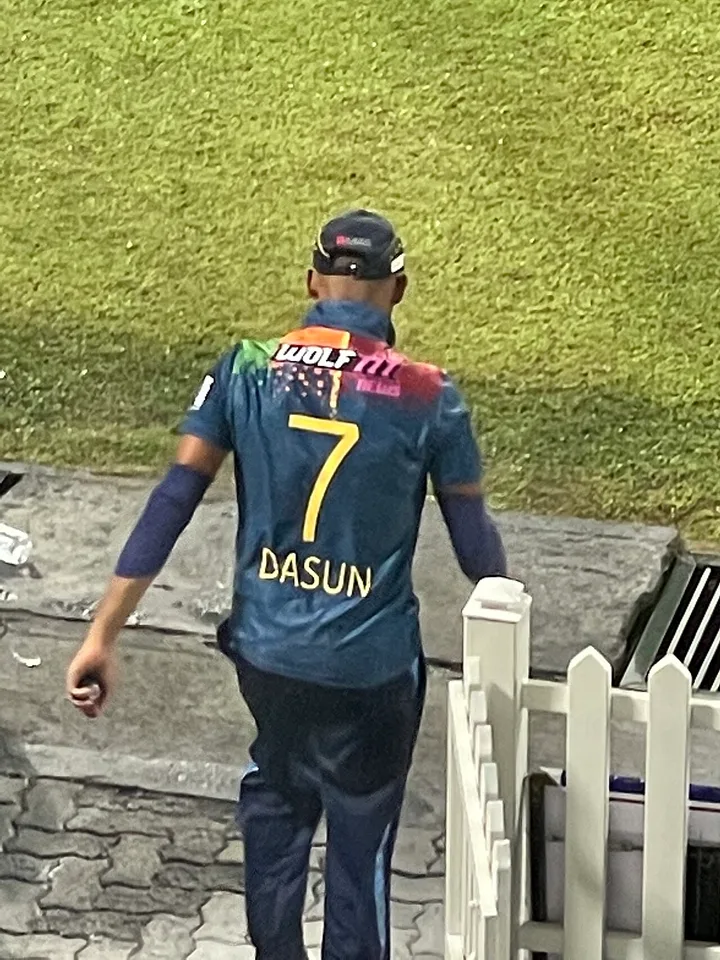
Dasun Shanaka's finishing can be studied by asking what the team needed when he arrived and which scoring options the bowling allowed. A late innings is compressed decision-making: runs, legal deliveries and wickets in hand can change the value of a single or a boundary within seconds.
In the death overs, runs needed can be more informative than a batter's current total. A bowling change may introduce a different angle, while a bouncer can make a planned full-length attack inappropriate. If square leg is protected, the scoring calculation changes again. These observations apply in domestic cricket too, provided the format and rules are correctly identified.
Begin with the match equation rather than the highlights. A batter who enters with several overs available faces a different problem from one who arrives for the final two deliveries. The final total matters, but it cannot explain whether the innings met the demands of its particular situation.
Sri Lanka Cricket's official archive includes Shanaka finishing footage that can support a viewing exercise. This guide develops a way to analyse such innings using a scorecard and complete overs. Numerical scenarios below are invented examples, so they explain the method without pretending to report a new Sri Lanka result.
What information matters when Shanaka arrives at the crease?
Record the entry score, target if there is one, balls remaining, wickets in hand and the partner at the other end. Then identify the match format and bowling options. These details define the finishing task more accurately than the batting position or a reputation for hitting sixes.
Suppose a hypothetical chase needs 30 from 18 legal deliveries. The required rate is ten runs per over because three six-ball overs remain. If the side has many wickets available, attacking options may carry a different cost from the same equation with only one wicket left.
Do not convert an over notation as if it were a decimal. An innings at 17.3 overs in a standard twenty-over match has completed seventeen overs and three legal deliveries, leaving fifteen legal deliveries. The dot separates overs and balls; it does not mean three tenths of an over.
The partner matters because a batting partnership shares the available deliveries. A specialist batter and a less experienced partner may lead to different strike decisions, but the label alone cannot establish the correct action on every ball.
Also record which bowlers can still deliver overs. If the strongest remaining bowler has one over available, the batting side may face a different sequence of opportunities from one involving only part-time options. Keep this as a contextual consideration unless the actual bowling allocation is known.
For a Sri Lanka fixture, verify the exact match first. A short-format exhibition or modified competition may not carry T20I status. Classification affects which records and playing conditions are relevant to the analysis.
How does chasing differ from setting a first-innings total?
A run chase has a defined target, while the first innings seeks a competitive total without knowing the opponent's eventual response. Finishing decisions therefore solve different problems. In a chase, reaching the target is decisive; when setting a score, additional runs remain valuable until the innings ends.
Imagine two invented situations with twelve balls left. One team needs sixteen runs to win; another is setting a total with the same batters and field. The first can evaluate progress against a fixed equation. The second must estimate scoring value while preserving opportunities to use the remaining deliveries.
A first-innings batter cannot know the exact winning total. Pitch behaviour, later weather and the opponent's performance may change how a score looks in retrospect. Calling the final score “obviously enough” after a comfortable defence imports information unavailable during the innings.
In a chase, a single may reduce the required total while transferring strike. That can be valuable, neutral or harmful depending on the remaining equation and who will face next. The same scoring outcome can therefore serve different tactical purposes.
Avoid treating a failed chase as proof that every earlier cautious delivery was wrong. Reconstruct the information available at each decision. A responsible analysis can identify a missed opportunity without claiming that an alternative shot would certainly have succeeded.
Write the innings objective in one sentence before reviewing individual shots. This keeps the analysis aligned with what the batter was trying to achieve instead of judging every moment by a generic instruction to attack.
What makes a boundary option sensible rather than merely successful?
Assess the delivery, field placement, scoring need and the batter's position before looking at the outcome. A boundary can result from a well-chosen option or an unusually fortunate contact. Decision quality depends on the available information and alternatives, while the actual result also contains execution and chance.
For example, a full delivery near the batter's intended hitting arc may offer an attacking option towards long-on or long-off. A wide line can alter that geometry, and a slower ball may disrupt timing. The sensible response depends on what was actually delivered.
Look at length and pace separately. A slower ball can still be full, and a yorker is a length description rather than a guarantee of a particular speed. Using precise vocabulary makes the observation more useful than calling every unsuccessful ball “unplayable.”
Fielders change the consequences of contact. A shot towards deep midwicket may be directed into a protected area, while a gap near cover could offer another route. Yet a visible gap alone does not mean the delivery can be safely hit there.
When reviewing Shanaka, describe the bat swing, contact and target area only as far as the video supports them. A television angle may not show exact depth or alignment. Mark interpretation as interpretation rather than inventing a coaching diagnosis.
A useful review asks what opportunity existed before contact. If you can explain why a boundary attempt fitted the equation and delivery, the analysis remains meaningful even when the ball is caught. That is more informative than praising every six and condemning every dismissal.
When is a single useful during the death overs?
A single is useful when its scoring value and transfer of strike improve the team's position relative to other realistic options. Its value depends on the equation, partner, ball in the over and bowling matchup. Neither refusing singles nor taking every available run is a universal finishing rule.
Suppose an invented chase needs twelve from seven deliveries. A single changes both the target and the striker for the next ball. Whether it is attractive depends on the partner and the likely delivery, not just on the fact that only one run was scored.
The last ball of an over deserves special attention. On an ordinary single, the batters change ends, and the next over begins from the opposite end. The combined effect on strike needs to be worked through carefully rather than described with a vague phrase about “keeping the strike.”
Strike rotation can also stop a bowler settling into repeated deliveries against one batter. However, a claim that it disrupted a particular bowler needs evidence from the sequence. It should not be assumed because alternating strike sounds tactically sophisticated.
Running requires judgement about the field and the non-striker. A dangerous second run may expose a wicket for a limited gain, but the match equation can make that risk necessary. Watch the available distance and the pickup rather than blaming one batter from a cropped replay.
For an analysis sheet, note the run offered, the run attempted and the resulting striker. These are separate observations. They reveal how the partnership used deliveries and help explain outcomes that a boundary-only highlights package would omit.
How do dot balls, extras and wickets change pressure?
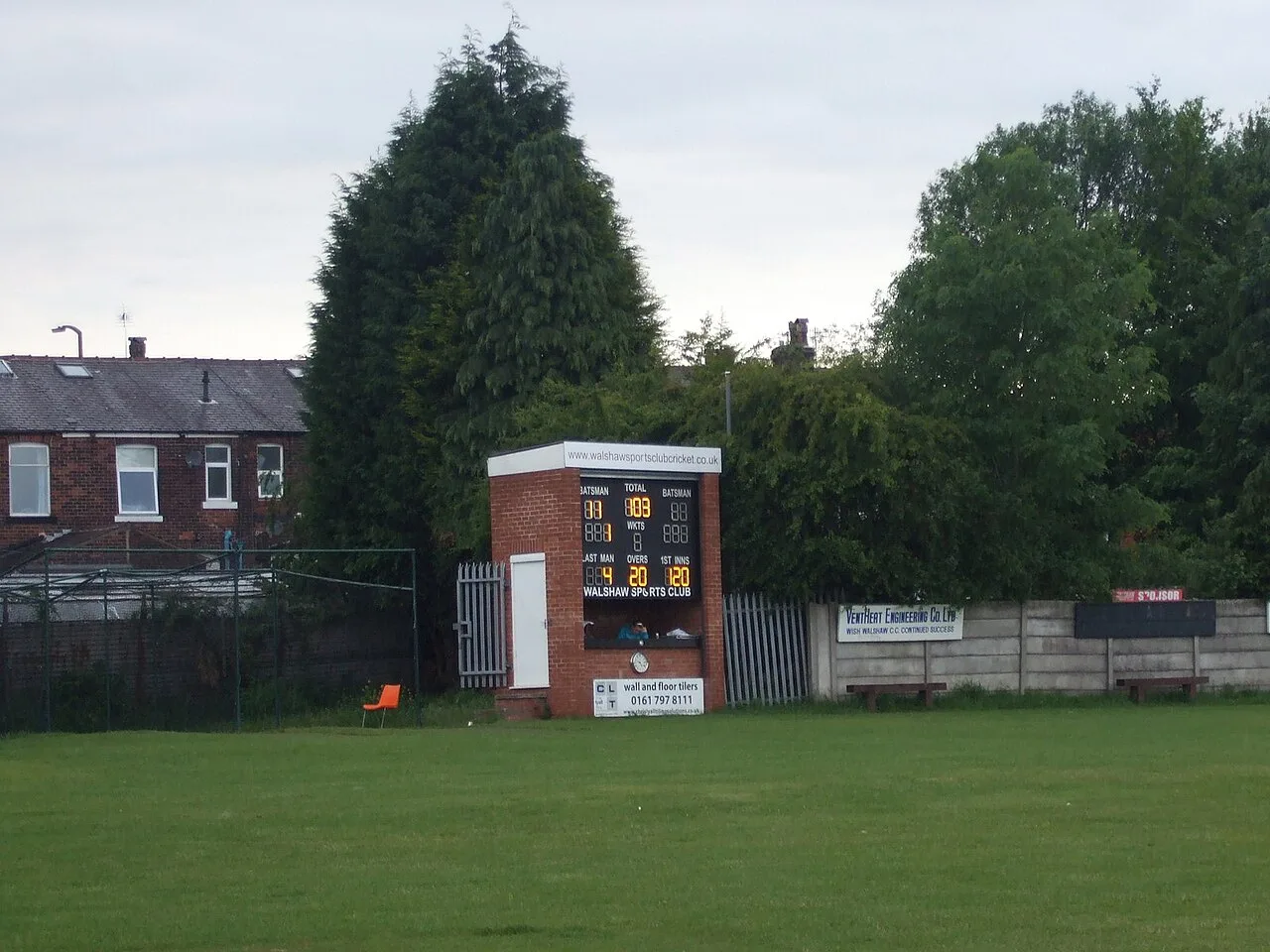
A club scoreboard illustrates reading runs, wickets and overs; its figures are not a Sri Lanka match result.
A dot ball removes a legal delivery without reducing the target, while an extra can add runs without always consuming a legal delivery. A wicket changes the available batting resources. Update the equation after each event instead of estimating pressure from a feeling or from the crowd's reaction.
In an invented chase needing eighteen from twelve, a dot leaves eighteen from eleven. The total has not changed, but the available time has. A boundary next ball can reduce the requirement sharply without erasing the importance of that earlier missed delivery.
Under the usual Laws, wides and no-balls do not count as valid balls in the over. Their scoring and subsequent consequences must be read with the applicable playing conditions. Do not assume every extra has the same effect or that every competition applies identical special provisions.
A wicket is not simply another dot. It can remove a set batter, change the partner and affect which shots are realistic. The scorecard may record the numerical change, while the tactical significance needs the surrounding situation.
Required rate summarises the equation but does not prescribe the shot. A rate of twelve per over can be achieved through several combinations of runs. It does not mean that precisely two sixes are required in every individual over.
Use both numbers and description. “The equation rose after two dots” is clearer when accompanied by the before-and-after requirement. Then explain whether the field, bowler or remaining batters changed the available response. Pressure becomes an observable problem instead of an unexplained character judgement.
How can you analyse a final over ball by ball?
Pause before each delivery, record the equation and predict a reasonable response to the likely options. Then watch the actual ball and evaluate the choice against its line, length and field. This separates a pre-delivery plan from the delivery-specific decision and protects the review from hindsight.
Use a small worksheet:
| Before the ball | After the ball | Interpretation |
|---|---|---|
| Runs needed and balls left | Runs, extras or wicket | How the equation changed |
| Striker and partner | Next striker | Partnership effect |
| Visible field | Scoring direction | Gap used or protected area challenged |
| Likely bowling options | Actual delivery | Whether the plan needed adjustment |
Start with a complete over rather than a montage. The preceding dot ball, field change or conversation can help explain the next option. A clip beginning at contact often removes the information needed to judge shot selection.
Keep predictions modest. Write “a full straight ball could be attacked down the ground” rather than claiming to know the exact delivery or the batter's private intention. If the bowler changes pace, note how that affected the original plan.
Review your own prediction afterward. Was it sensible given the information, or did it assume a delivery the bowler had little reason to provide? This makes the exercise about understanding both sides of the contest.
Complete one paragraph summarising the over's turning point. Tie it to the equation and an observed event. Avoid making the most spectacular shot automatically the most important one if an earlier extra, run or wicket changed the strategic problem more substantially.
Which statistics are fair for comparing finishing innings?
Compare innings with similar formats, entry conditions and opportunities. Runs and strike rate are useful starting measures, but they need context such as balls faced, wickets remaining and whether the batter was chasing. A tiny sample size can illustrate a possibility without establishing a stable career pattern.
A hypothetical 20 from 10 balls and 20 from 20 balls share a total but have different scoring speeds. Yet even that comparison remains incomplete without the match state. A rebuilding middle-order role can require choices different from a final-over cameo.
Calculate strike rate as runs divided by balls faced, multiplied by one hundred. Explain the denominator and use the recorded ball count rather than the number of deliveries you remember from highlights. Extras and scorecard conventions make casual reconstruction unreliable.
Not-out innings also affect how some aggregates are calculated. Avoid mixing a batting average, strike rate and runs per innings as if they measured the same thing. Each answers a different question about production or dismissal.
Define the sample before drawing the conclusion. “These five innings entered after the fifteenth over” is a reproducible selection rule; “his best pressure knocks” can be a highlight collection chosen after seeing the outcomes.
For Shanaka, a responsible comparison would identify the official matches and dates, then apply the same method throughout. Without that work, present the article as a tactical study rather than a claim about a new ranking or statistical superiority over another player.
What should a balanced conclusion about Shanaka's finishing contain?
Summarise the task, the key choices and the limits of the evidence. Explain how the innings used remaining deliveries and partnerships, then distinguish recorded outcomes from inferred intentions. A strong conclusion can recognise successful execution while identifying uncertainty and avoiding an unsupported permanent judgement about the player.
Name one concrete action: an adjustment to a slower ball, a scoring route against a field or a strike decision. Connect that action to the requirement at the time. This gives readers a reason to accept the interpretation.
Then consider the bowling response. Finishing is a contest between plans, not a solo demonstration. A well-directed yorker, changed field or carefully chosen wide line may explain why a preferred scoring route disappeared.
Keep current leadership and selection claims separate. A historical captaincy designation does not establish the role in a later match. Check the dated announcement if that role matters to the review, otherwise focus on the innings evidence.
A final viewing exercise can compare one successful finish with one unsuccessful attempt using the same categories. Resist changing the standard simply because the result differs. The comparison becomes useful when it reveals which opportunities were available and how well they were used.
The transferable lesson is to evaluate choices before certainty arrives. Shanaka's finishing provides an engaging subject, but the method applies to any late innings: reconstruct the equation, inspect the delivery, follow the partnership and explain the difference between a defensible decision and a favourable result.
Sources
Image credits: Cover: 04 ATM 04, source, CC BY-SA 4.0. Resized and converted to WebP. Article image: BatAndBall, source, CC BY-SA 2.0. Resized and converted to WebP.
Found an error or an outdated detail? Report a correction with the article URL and original source.