
Carlos Alcaraz: Attack, Defence and Tennis Decisions
Study Carlos Alcaraz through court position, shot selection and changing rally patterns, while checking official records for rankings and results.
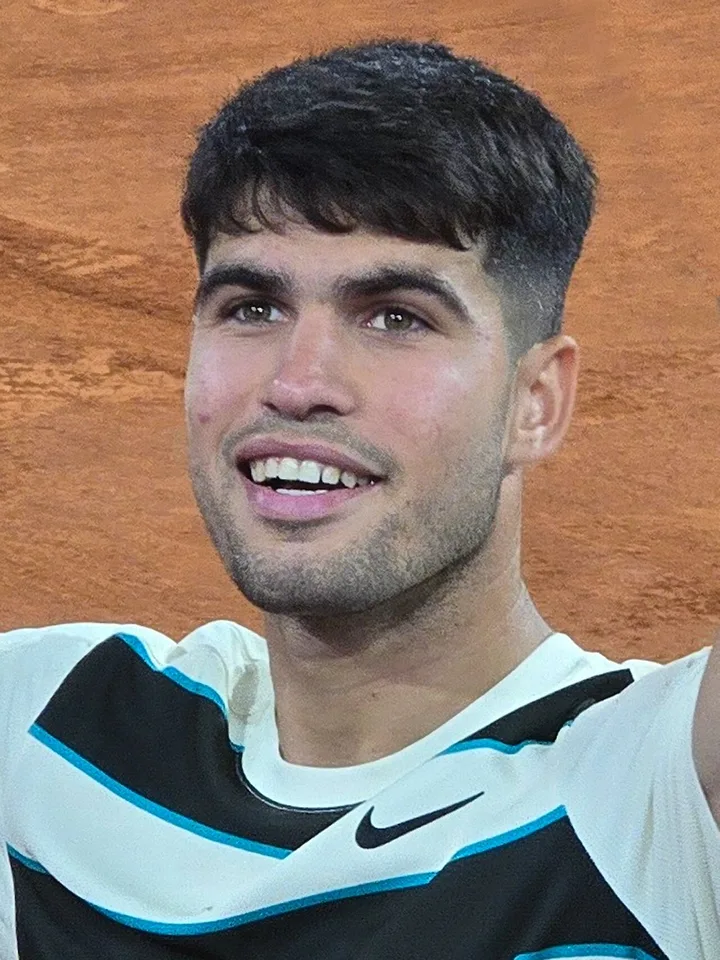
Carlos Alcaraz offers an engaging way to study tennis tactics because power, changes of pace and movement can be examined within the same rally. The useful question is not simply whether a shot was spectacular. It is how the preceding shots created space, changed the opponent's position and made the eventual choice available.
Compare forehand and backhand shot selection using the same criteria. A passing shot, for example, must be assessed against the approaching player's position rather than treated as an ordinary baseline exchange. Begin with court position and the scoreboard. An attacking forehand from inside the baseline is a different opportunity from a forehand struck while retreating. A drop shot can exploit distance, but its value depends on preparation, balance and the opponent's ability to move forward.
Official ATP and tournament analysis discuss Alcaraz's forehand drop shot and its relationship with his stronger groundstrokes. This guide uses that topic as the starting point for a repeatable match analysis method. It concentrates on observable decisions rather than current rankings, a new result or an unsupported claim that one tactic always succeeds.
Why does court position matter more than raw shot speed?
Court position determines which spaces and timings are available to both players. A fast shot from an awkward position may be less effective than a controlled shot that pulls the opponent away from a useful recovery point. Track where contact happens and where each player must move next.
Draw the baseline, service box and centre line on a simple court sketch. Mark both players when Alcaraz hits, then mark them again when the opponent responds. The change between those two frames often explains more than the final ball speed.
A deep shot can push the receiver back and reduce the time available to step forward. A shorter angle can pull the receiver wide. These effects differ: one changes depth, the other changes width. Treating every strong shot as merely “powerful” loses that distinction.
Recovery matters after contact. The best recovery position is not automatically the exact centre of the baseline; it depends on the likely angles available to the opponent. Use the court's geometry and the ball location to explain the choice.
A television camera can distort depth. Look for court lines and the player's feet rather than estimating distances from body size alone. If the broadcast angle is unsuitable, describe a position as inside, near or behind the baseline without inventing a precise measurement.
This approach makes a highlight more understandable. The winner may be the visible finish, but the meaningful advantage might have appeared two shots earlier when a deep crosscourt ball displaced the opponent and opened another area.
How can a forehand create an opening without ending the point?
A forehand can build advantage through depth, height, angle and placement even when it does not produce a winner. Follow the opponent's response: a shorter reply, stretched contact or defensive trajectory may show that the shot changed the rally. Judge the pattern rather than counting only immediate points won.
Topspin can help create net clearance while bringing the ball down into the court. Its tactical value depends on bounce and the receiver's position. A high, deep ball can create discomfort differently from a flatter shot travelling through a lower window.
A crosscourt forehand can use diagonal space and move the opponent laterally. Changing down the line redirects the rally and may expose a different area. The direction change also alters the hitter's recovery problem, so it should not be treated as a free attacking improvement.
Watch the contact point and balance. If Alcaraz is stretched or late, a safer crosscourt reply may preserve the point until a better opening appears. Attempting a spectacular direction change from that position carries a different risk from attacking a short ball while balanced.
An illustrative pattern is deep crosscourt, another deep ball, then a change of direction when the reply lands shorter. The final shot becomes more understandable because the earlier work changed the available space. This is a hypothetical sequence to look for, not a claim about every Alcaraz rally.
Record the opponent's reply quality as well as Alcaraz's shot. A ball landing shorter can reflect pressure, a deliberate tactic or an error. The complete sequence helps distinguish those possibilities more carefully than a single frozen frame.
When is a drop shot a sensible attacking choice?
A drop shot can be effective when the opponent is deep, moving away from the front court or expecting another forceful ball. The hitter also needs sufficient control and balance to execute it. Surprise matters, but it works alongside geometry, disguise and the ability to cover the next response.
ATP and Roland-Garros analysis highlight the connection between Alcaraz's forceful groundstrokes and softer variations. The threat of another deep ball can help create space closer to the net. That relationship is more instructive than describing the drop shot as an isolated trick.
Before judging the attempt, mark the opponent's position. A player already moving forward may reach a short ball comfortably. A player well behind the baseline faces a larger forward movement, though speed, anticipation and the quality of the drop shot still matter.
Watch the preparation, but avoid pretending to read intention from every movement. Similar early preparation can make a change harder to recognise. The useful observation is what the opponent could plausibly see before needing to react.
The point may continue after the first short ball. Alcaraz might need to cover a reply, volley or lob. A successful drop shot can therefore be the beginning of a front-court exchange rather than an immediate winner.
Compare one successful and one unsuccessful attempt using the same questions: position, balance, disguise, landing depth and next-shot coverage. This separates decision quality from execution. A good opportunity can be wasted by poor contact, while an ambitious attempt can occasionally succeed through an unexpected bounce.
How do serve and return shape the rally before it develops?
The serve and return establish the first positions and time pressures of a point. Analyse placement, the receiver's position and the next ball together. An effective first serve can create an easier follow-up, while a deep return can prevent the server from immediately taking control.
Do not reduce serving to speed. A serve directed towards the body poses a different movement problem from one pulling the returner wide. Its value also depends on which reply it makes likely and whether the server is ready for that reply.
For a second serve, watch how the receiver changes position or intent. A more aggressive stance may reduce available time but also increase execution risk. Neither standing close nor standing far back is universally correct.
A return placed deep through the middle can limit immediate angles without looking spectacular. A short return may invite an approach shot. The tactical significance appears in the server's next contact rather than the return's appearance alone.
Use complete service points for a practice exercise. Record the serve direction, return location and the first attacking opportunity. After several points, ask whether a rally pattern is recurring or whether you are remembering only the most dramatic example.
Keep scoring basics in view. A break point is a receiving opportunity to win the game, not a different physical type of serve. The pressure may influence choices, but the label does not tell you exactly what either player intended.
What changes when Alcaraz has to defend?
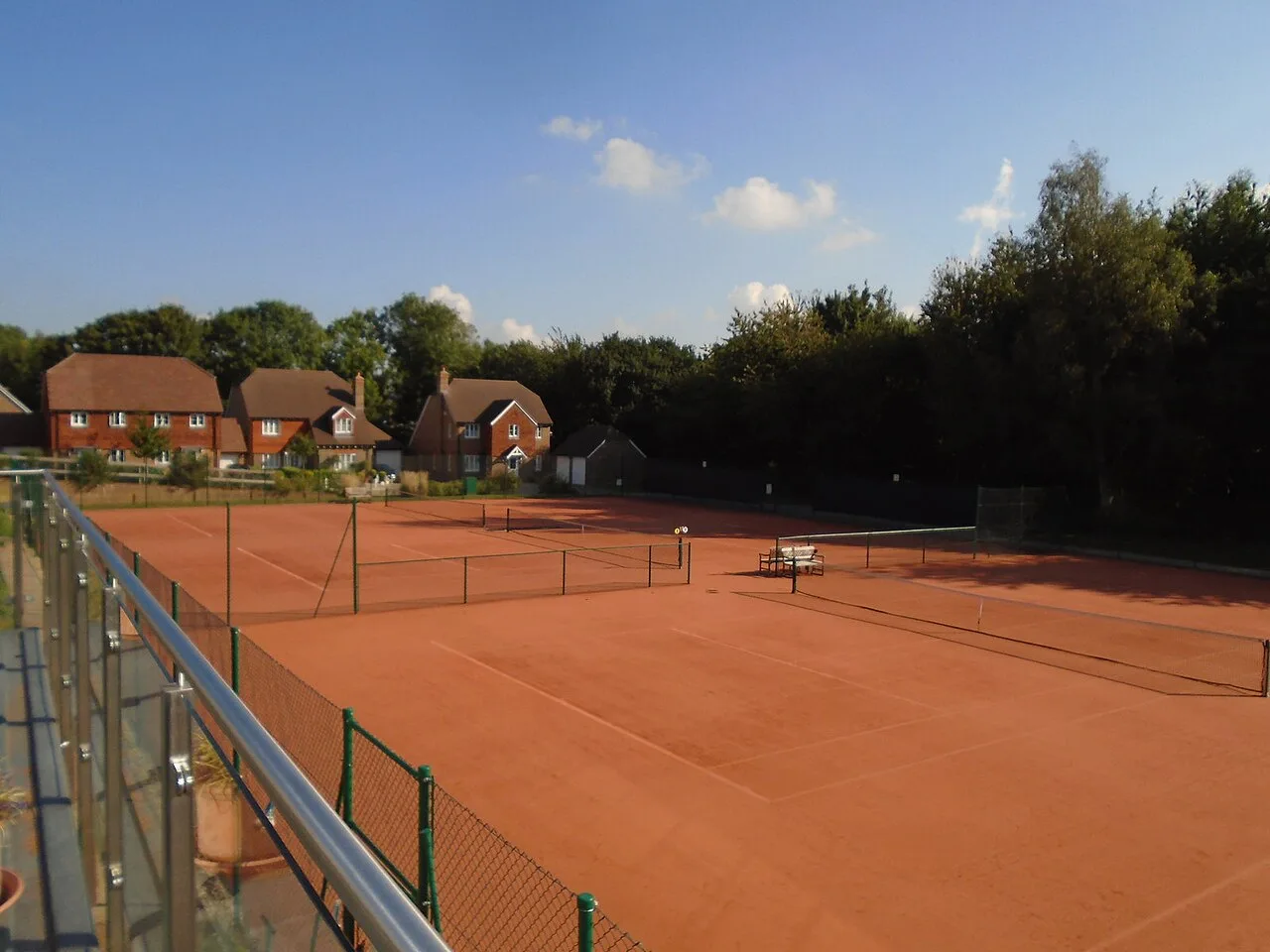
Club clay courts illustrate surface and court geometry; this is not an Alcaraz match venue claim.
Defence aims to keep the point alive while reducing the opponent's advantage or creating time to recover. A high ball, slice or deep reply can be useful without immediately threatening a winner. Evaluate whether the defensive shot improves the next position instead of judging it only by pace.
Suppose a player is pulled wide and reaches the ball off balance. A higher trajectory may allow more recovery time than a low, flat reply. The trade-off is that the opponent might step forward and attack. The appropriate judgement depends on depth and the receiver's options.
A lob can move an opponent away from the net or buy time, but its success depends on placement and height. A short lob may provide an overhead opportunity. Name the observed effect rather than treating the shot category itself as either cautious or brilliant.
Watch the split step and the first recovery movement where the video makes them visible. These can help explain why a player reaches a difficult ball. They cannot, by themselves, support an injury diagnosis or a claim about private training methods.
The transition back to attack is especially informative. A defensive ball may draw a less demanding reply, allowing the next contact to occur nearer the baseline. Mark that change so the point does not appear to jump magically from desperate running to a winner.
When reviewing Alcaraz, distinguish an observed recovery from a broad claim that he can retrieve anything. Specific movement and placement explain the point. An unlimited ability claim only adds excitement without helping readers understand the choices.
How should surface and conditions enter the analysis?
Name the surface and observed conditions before comparing rallies from different events. Clay, grass and hard court can produce different movement and bounce contexts, while wind and the state of the court can affect execution. These factors shape opportunities without dictating one automatic style for every player.
A high-bouncing ball can ask a different contact question from a low skid. A short ball that sits up may be easier to attack than one that stays low. Watch what the ball actually does rather than applying a stereotype based on the surface name.
Wind can complicate a high toss, lob or fine placement. If it is visible in clothing, flags or ball movement, record the observation carefully. Do not use weather as a convenient explanation for every error unless the evidence supports that connection.
Compare similar situations across surfaces. A drop shot played while balanced against a deep opponent should not be compared casually with an emergency short reply from a stretched position. Matching the tactical situation makes surface differences easier to interpret.
Footwork observations also need restraint. A slide seen on one court does not mean a recreational player should copy it without appropriate coaching and conditions. A viewing guide can explain purpose without becoming a personalised physical training prescription.
In a short review, state one concrete effect: the ball stayed low, the opponent had more recovery time or the hitter contacted above shoulder height. Such observations connect conditions to the point and avoid turning the surface into an all-purpose explanation.
Which match statistics help without replacing the video?
Statistics help summarise outcomes and identify questions for closer viewing. Winners, errors, serve percentages and break-point records describe selected aspects of a match. They do not independently reveal why a decision was made or whether every comparable opportunity was used in the same way.
A winner ends the point without a successful reply, while an unforced error is a classification applied to a miss under the statistic provider's judgement. A forced error reflects pressure from the opponent. Classification standards and borderline cases mean that raw error counts need context.
Use a defined sample. “Ten return points in the second set” is reproducible; “the important points” may conceal selection after seeing the result. Write the rule before choosing examples so you do not accidentally collect only supporting evidence.
A useful worksheet combines numbers and observation:
| Measure | What it shows | What still needs viewing |
|---|---|---|
| First-serve percentage | Frequency of first serves landing in | Placement and follow-up |
| Winners | Recorded finishing shots | Setup and available alternatives |
| Break-point conversion | Opportunities converted | Quality and context of each chance |
| Rally length | Number of shots in selected points | Position changes within the rally |
| Net points won | Outcomes after moving forward | Approach quality and passing options |
A tie-break sample deserves the same discipline. Do not declare a permanent pressure trait from one sequence. Scoreboard context can focus attention, but repeated evidence is required for a broader claim.
Official records should supply any dated result or ranking used in a separate report. For a tactics lesson, it is often clearer to omit changing totals and concentrate on a few points that readers can examine themselves.
How can you write a clear Alcaraz match-study paragraph?
Describe the situation, identify one observed pattern and explain its consequence using the complete point. Then state whether the interpretation concerns shot choice, execution or outcome. A concise paragraph becomes persuasive when a reader can trace its explanation back to visible evidence rather than reputation.
For example, an invented observation might say that a deep forehand moved the opponent behind the baseline, a short reply allowed forward contact and a subsequent drop shot used the newly opened space. Each step explains the next without claiming knowledge of a private plan.
Avoid a list of adjectives such as fearless, dominant and magical when you can name a location or action instead. Those words may express enjoyment, but they do not establish the tactical relationship.
A balanced review also identifies an alternative explanation. Perhaps the opponent anticipated the change but reached the ball poorly, or perhaps the previous shot created less pressure than the highlight suggests. Consider the possibility, then explain what the video supports.
Compare your paragraph with a second point using the same method. If the second point contradicts the original pattern, revise the scope rather than ignoring it. “In these selected rallies” is more accurate than an unsupported claim about every match.
Alcaraz's variety makes this exercise rewarding because several routes can lead to advantage. The lasting skill is learning to see those routes: locate contact, follow movement, identify the space created and judge the decision before letting the final score settle the story for you.
Sources
Source 1 Source 2 Source 3 Source 4
Image credits: Cover: Like tears in rain, source, CC BY-SA 4.0. Resized and converted to WebP. Article image: Paul Gillett, source, CC BY-SA 2.0. Resized and converted to WebP.
Found an error or an outdated detail? Report a correction with the article URL and original source.