
Shah Rukh Khan: Film Credits and Screen Presence
Explore Shah Rukh Khan’s screen presence through film credits, scene analysis and responsible media reading, without relying on celebrity rumours.
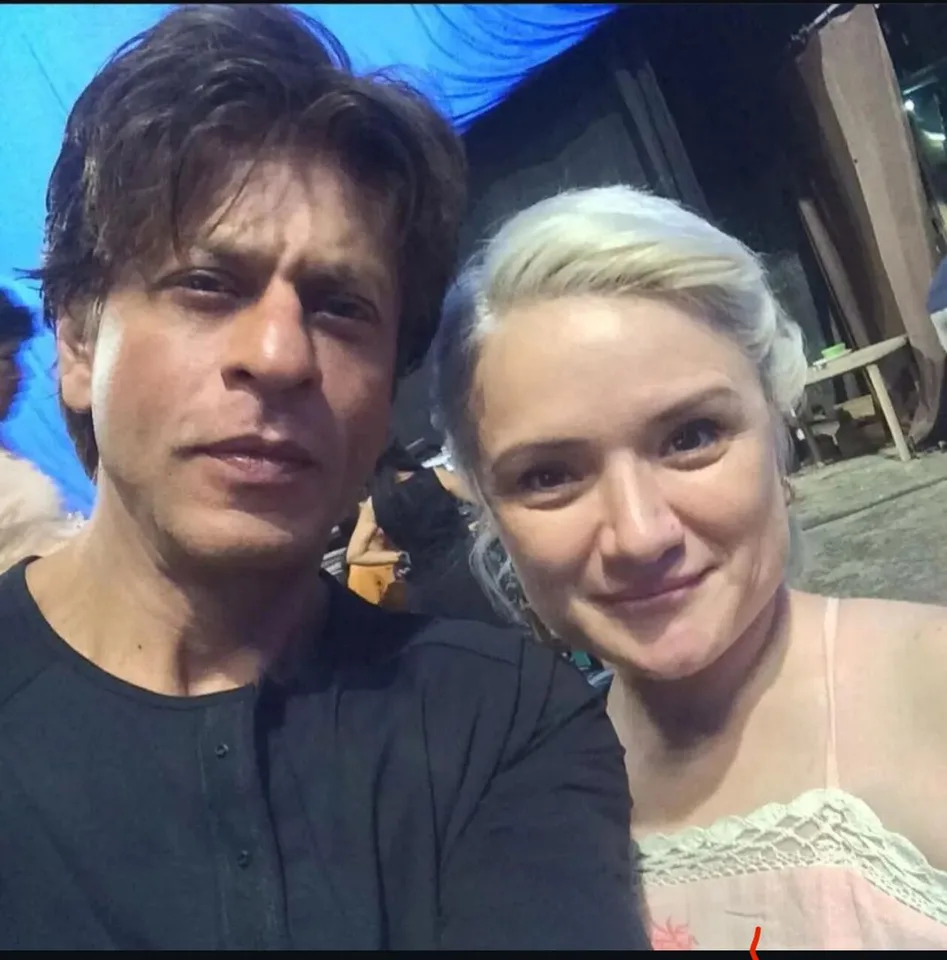
Shah Rukh Khan's screen presence can be studied through specific scenes, verified film credits and the collaboration between performance and filmmaking. Start by identifying the production, then watch how gesture, dialogue, framing and editing create an effect. Popularity may explain why viewers approach a film, but close analysis explains what happens on the screen.
This film-study guide focuses on a method a student can use with an authorised viewing copy. It distinguishes actor, character and public persona; offers a practical comparison exercise; and explains how to handle trailers, subtitles and financial claims. It does not require a new celebrity event to make the subject useful, nor does it turn unverified project rumours into filmography entries.
How do you verify a Shah Rukh Khan film credit?
Check the production's on-screen credits and its official production record, keeping the film title and version attached to the claim. An acting credit, producer credit and promotional appearance describe different responsibilities. A familiar face in a montage is not sufficient evidence that the person played a particular role in the film being discussed.
Red Chillies Entertainment's official news archive provides production announcements, including material identifying Shah Rukh Khan in Jawan. Such records help establish the source of a project claim. They do not automatically verify every number, interpretation or rumour later attached to the production. Read the date and precise wording rather than treating an archive page as a current announcement.
Create a film identity card with title, language version, credited director, credited performer and the viewing source. Record whether you watched a complete film, an authorised scene or a trailer. If the copy is dubbed or subtitled, note that too. The version matters when discussing dialogue delivery, timing and the relationship between voice and performance.
Do not fill gaps with a fan poster or an unsourced cast list. A forthcoming film announcement can change before release, while a completed film's credits provide a different kind of evidence. Keep those stages distinct in your notes. An accurate short filmography is more useful than a long one that mixes rumours, confirmed roles and unrelated appearances.
What is the difference between actor, character and star image?
The actor is the performer, the character belongs to the story, and star image describes associations audiences bring from other films and publicity. These layers interact, but they are not interchangeable. A character's behaviour is not evidence of the actor's personal beliefs, and a familiar star gesture can have different meanings in different scenes.
Suppose an entrance shot delays a character's face while other characters react. Viewers who recognise the star may anticipate the reveal differently from viewers encountering him for the first time. That is an interpretive possibility supported by the staging. It is not proof that every audience member has the same emotional response.
In a review, name the layer you mean. “The character hesitates before answering” describes a fictional action. “The performer delays the line” describes an observable acting choice. “The pause recalls an earlier screen persona” is a comparison that needs examples. Clear language prevents a critical argument from sliding into unsupported biography.
This distinction also helps with moral interpretation. A film may invite sympathy for a flawed character without asking viewers to approve every action. Examine how the scene positions the audience through perspective and consequence. Avoid treating a dramatic role as a direct personal statement from the performer unless a separate, verified interview supports that claim.
How does a scene create screen presence?
Screen presence emerges through the interaction of performance, camera placement, editing, sound and the reactions of other performers. Watch the actor's movement and timing alongside those production choices. A convincing analysis identifies how the effect is built rather than assigning the entire impact of a scene to a single person's charisma.
Begin with the entrance. Does the character move into an existing frame, appear after a cut or emerge from a group? Note posture, pace and the distance from other people. A still figure can dominate a busy composition, while movement can draw attention within a static shot. Describe the visible arrangement before deciding what it suggests.
Then examine the reaction shot. Another character's response can tell viewers how to interpret the entrance, whether as reassuring, threatening or surprising. Music may reinforce or complicate that instruction. If you praise the actor's authority, explain whether the authority comes from voice, physical behaviour, the surrounding reactions or a combination.
Separate observation from interpretation
Write “the shot holds on his face after the line” before writing “the pause conveys regret.” The first statement can be checked directly. The second is an interpretation supported by the shot, dialogue and dramatic context. Another reader can disagree with the interpretation while accepting the observation, which makes the discussion precise rather than purely subjective.
What should you notice in dialogue and silence?
Listen for rhythm, emphasis, pace, breath and the relationship between speech and movement. Silence can be as important as a spoken line when it changes expectation or gives another performer space. Analyse a complete exchange rather than isolating a famous quotation, because a response often depends on the question or action that precedes it.
Watch a short sequence once for its story and again for vocal delivery. Mark where the pace changes, where a word receives emphasis and whether the performer overlaps another speaker. Avoid transcribing long passages. A concise description of timing usually supports analysis better than reproducing dialogue that the reader must interpret without the scene.
Subtitles provide access to meaning but do not reproduce every feature of speech. A written translation may compress repetition, omit a form of address or change sentence length. If your argument depends on a specific wording, compare the spoken language and an authorised translation where possible. Credit any translator used in a formal project.
Silence also depends on sound design. A pause with background noise feels different from a pause accompanied by rising music. Ask what remains audible and whose reaction receives attention. Do not describe a scene as silent merely because the main character stops speaking. The soundtrack may continue guiding the viewer throughout the pause.
How do framing and editing change the meaning of a performance?

Olanrewaju Oyedola Lancy operates a cinema camera. This contextual production photograph illustrates camera work, not a Shah Rukh Khan film set.
Framing controls what viewers can see, while editing controls the order and duration of those views. A close-up may emphasise a small facial change that would be difficult to notice in a wide shot. Compare the performance within its shot sequence, because a reaction inserted before or after a gesture can alter its apparent meaning.
Begin with shot size and camera position. Does the scene keep both speakers together, isolate one person or alternate between them? A shared frame can show relationships through distance and movement. Separate close-ups can focus attention on contrasting reactions. Neither approach has a fixed emotional meaning independent of the scene's context.
Notice continuity across a cut. The edit may preserve an action smoothly or create a noticeable interruption. A viewer can experience urgency because shots become shorter, even when the performer makes only small movements. Conversely, a long take may make waiting itself part of the dramatic experience. Explain the mechanism rather than simply calling editing “good.”
A trailer often rearranges these relationships. It may place a line over a shot from another moment or use music absent from the full scene. Analyse a trailer as promotional editing if that is your source. Do not infer the film's complete narrative structure or an actor's full emotional arc from a brief marketing sequence.
How can two scenes be compared without ranking everything?
Compare scenes through a defined question, such as how each establishes confidence, vulnerability or conflict. Choose comparable evidence and explain meaningful differences. A comparison can reveal different acting and production choices without declaring one performance universally better, and it should not depend on counting dramatic gestures or famous lines.
For example, select one scene centred on public authority and another centred on a private conversation. Ask how posture, vocal intensity and camera distance change. A quieter performance may use reduced movement because the dramatic problem is intimate. A broader gesture may suit a public scene. Evaluate each choice against what the scene is trying to accomplish.
Use the same observation categories for both examples. Record the opening situation, central exchange, turning point and final image. If one scene is an excerpt and the other is complete, acknowledge the difference. Otherwise, missing context can make one example appear simpler or less developed than it actually is.
| Feature | What to record | Question for comparison |
|---|---|---|
| Gesture | A specific visible movement | How does it change the interaction? |
| Voice | Pace, emphasis and volume | What does delivery add to the words? |
| Framing | Shot size and placement | Which reaction receives attention? |
| Editing | Order and duration of shots | How is expectation controlled? |
| Sound | Speech, music and background detail | How does the soundtrack guide interpretation? |
Keep the comparison focused enough to support with evidence. Two well-explained moments can teach more than a survey of ten films described in general adjectives. Give the reader a reason to accept your argument, then leave room for another interpretation grounded in the same material.
What can box-office figures and social trends actually establish?
Box-office figures describe reported ticket revenue under a defined scope, while social trends describe activity on particular platforms. Neither is a complete measure of artistic quality or audience opinion. Before using a financial total, check territory, reporting period, currency and whether the figure is gross, net or another industry measure.
A worldwide cumulative total cannot be compared directly with a domestic opening-day figure. Currency conversion and changes in ticket prices complicate comparisons across years. If the underlying definitions are unavailable, avoid making a precise ranking. An unsourced promotional graphic is evidence of a promotional claim, not independent confirmation of its numbers.
Likewise, a trending hashtag reflects a platform's activity under its own systems. It does not establish what every viewer thought, how many people watched the full film or whether posts came from independent users. A fan campaign can be culturally interesting without functioning as a representative audience survey.
Separate reception evidence into categories. A professional review is one critic's argument. A viewer comment is an individual response. A structured audience survey has its own sample and method. You can discuss all three if their limits are clear. Avoid turning selected enthusiastic comments into a universal verdict or presenting criticism as proof that no one enjoyed the film.
How can a student write an original, respectful film analysis?
Lead with a specific claim about a scene, support it with observable details and explain how performance and production choices work together. Use verified credits, identify the viewing version and keep quotations brief. Original analysis comes from the relationship you explain between details, not from retelling the plot or repeating publicity language.
Plan a short essay around one question. Your opening paragraph should answer it provisionally, with later paragraphs testing that answer through examples. A useful structure moves from the dramatic situation to an acting choice, then to a filmmaking choice and finally to the effect of their combination. This keeps each paragraph doing analytical work.
A practical viewing notebook
Divide a page into observation, interpretation and evidence location. Under observation, write only what can be seen or heard. Under interpretation, explain the possible effect. Under location, record a timestamp or scene description that helps you find it again in the authorised copy. This makes revision possible without relying on a vague memory of a celebrated moment.
After drafting, remove sentences that merely praise or dismiss the performer. Replace “amazing acting” with the precise change in voice or movement that supports your response. Also remove unsupported personal claims. A respectful critical discussion can identify an ineffective choice or disagree with a popular reading while keeping its focus on the film.
Check that the conclusion answers the opening question and does not introduce an unrelated ranking. Ask a classmate whether each interpretation has enough visible evidence. If they see a different effect, compare the reasoning rather than treating disagreement as a failure. That exchange turns interest in Shah Rukh Khan into a useful exercise in close reading, media literacy and clear argument.
Keep production information and your viewing notes in separate parts of the notebook. The credits establish who participated; your observations explain what the completed scene does. This separation helps prevent a remembered interview, publicity slogan or fan explanation from becoming something you claim to have directly observed. It also makes the essay easier to fact-check before submission.
Extend the comparison beyond one performer
Apply the same observation method to a different actor before deciding that a technique belongs uniquely to one star. The Emma Corrin performance guide supports close attention to a specific scene, while the Patrick Stewart storytelling guide introduces a useful stage-and-screen comparison. The director and producer study guide helps separate production responsibility from an acting credit.
Keep the question narrow during that extension. Compare how an entrance is staged or how a pause changes an exchange, rather than attempting a universal ranking of performers from unrelated genres. A common analytical framework can reveal meaningful differences while respecting the different dramatic tasks. That is a stronger learning outcome than repeating a familiar claim about who has the greatest screen presence.
Sources
Image credits: Cover: Wikeditor M, source, CC0. Resized and converted to WebP. Article image: Lancy Artistry, source, CC BY 4.0. Resized and converted to WebP.
Found an error or an outdated detail? Report a correction with the article URL and original source.