
Kusal Mendis: Reading a Wicketkeeper-Batter’s Role
Analyse Kusal Mendis through batting position, wicketkeeping and match context, while keeping international formats and team announcements separate.
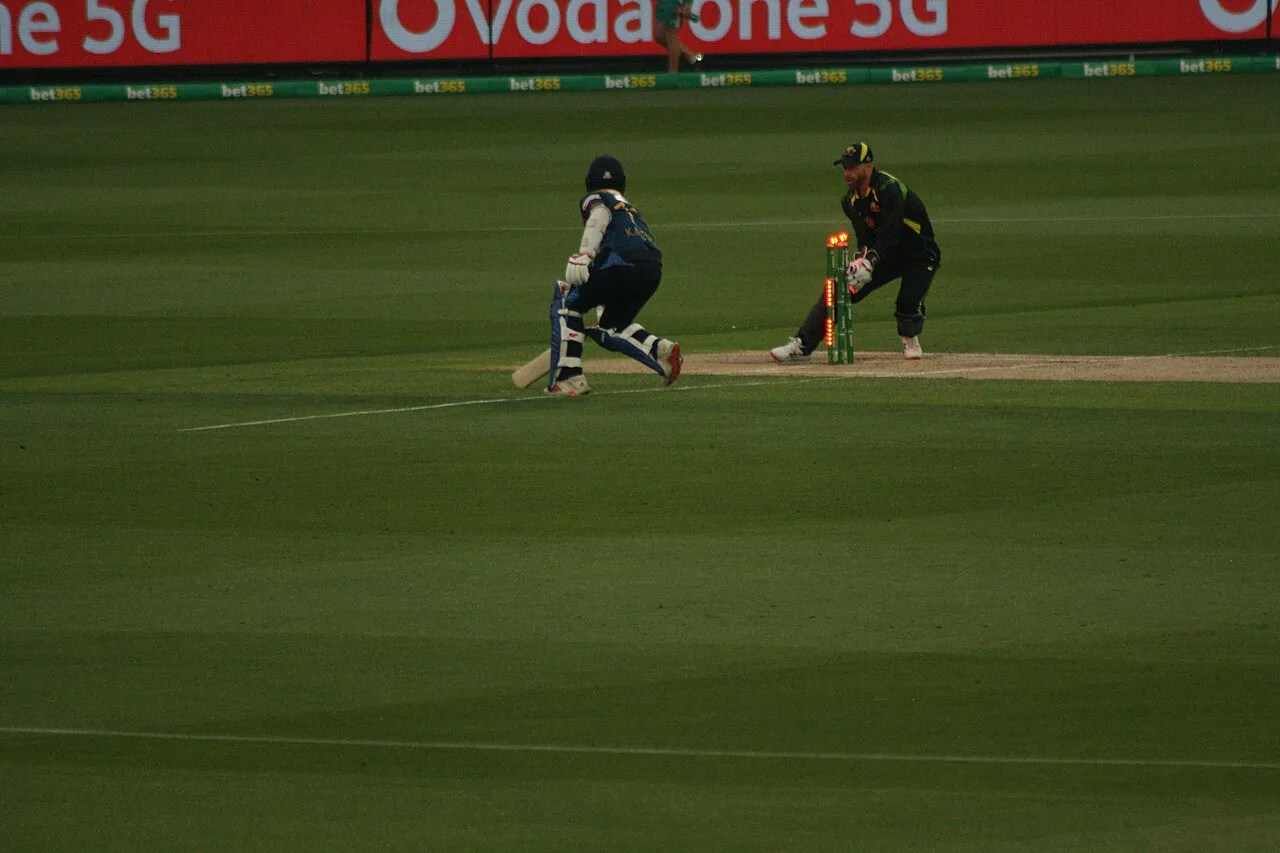
Kusal Mendis can be studied through two connected cricket tasks: contributing runs and, when designated, keeping wicket. The match record must establish his role in the game being discussed. A player profile can describe a general skill set, but it does not prove who wore the gloves, where someone batted or what leadership responsibility applied on a particular day.
This guide focuses on how to evaluate the wicketkeeper-batter role fairly. It combines batting context with keeping technique, recorded dismissals and the limits of broadcast evidence. Numerical examples are hypothetical teaching exercises, not claimed Mendis scores. Selection, captaincy and injury information are changing subjects, so any such claim needs its own dated official announcement.
How do you establish Kusal Mendis's role in a match?
Use the confirmed team sheet, completed scorecard and relevant dated team announcement to identify the role. Record format, batting position and designated wicketkeeper separately. The same player can have different responsibilities across games, and an older biography should not override the actual arrangement recorded for the match you are analysing.
Start a match note with date, opposition, competition and venue. Add the team category so a domestic or representative match is not accidentally presented as a senior international. Check the scorecard notation for the keeper, and consult its legend where necessary. A familiar symbol is useful only when you understand what that particular record uses it to mean.
If keeping duties change during a match, note the change and the evidence for it. Do not attribute every catch behind the wicket to the player listed in a general preview. Likewise, a player fielding without the gloves should have that contribution described as fielding rather than automatically counted in a keeping assessment.
The England and Sri Lanka fixture guide supports the initial identity check. The essential habit is to establish the game before the argument. Once the role is verified, you can ask how effectively the player met its demands without mixing statistics from a different assignment.
What does batting position change about the job?
Batting position shapes when a player is likely to arrive, but the actual entry situation determines the immediate task. Record team score, wickets lost, remaining overs and target before interpreting an innings. A top-order appearance after an early wicket differs from a middle-order entry behind a strong partnership, even if the eventual personal total is similar.
In limited-overs cricket, an early arrival may require both rebuilding and maintaining a workable scoring pace. A late arrival can demand immediate boundary options with little time to settle. In a Test, the innings may require sustained defence against a particular spell or a partnership extending across a session. Those tasks should not share one simplistic standard.
Use runs and balls faced together. A hypothetical 30 from 20 balls and 30 from 50 balls have different strike rates, but neither can be judged fully without the match state. If the task is to survive a difficult period, time and wicket preservation may matter. If the chase requires quick scoring, that same pace may be insufficient.
Do not infer tactical instructions from the batting order alone. A promotion could reflect several considerations, and the team may explain it in a dated statement. When no explanation exists, describe the observable change and its consequence rather than declaring knowledge of the dressing-room plan. That keeps analysis useful without inventing motives.
How should batting output be connected to team progress?
Connect personal runs with partnerships, wickets and the scoring requirement. An innings contributes to a team objective rather than existing only as an individual number. Examine how the scoring rate develops and what resources remain when the batter leaves. A final strike rate is a summary, while the sequence explains how that output was produced.
In an invented example, a batter enters at 40 for three and adds a stabilising partnership before accelerating. A short score summary may conceal that transition. Divide the innings into phases and identify what changed: bowling, field, partner or available overs. Keep those observations separate from assumptions about confidence or temperament.
Watch how strike rotation supports boundaries. A controlled single can keep a partnership moving and change the matchup for the next ball. A highlights reel may show the fours while omitting the running and dot balls between them. Use the complete scoring sequence when available, and state which part of the innings your footage actually covers.
The middle-order batting guide offers a useful way to think about entry situations. For Mendis, keep the conclusion tied to the verified role and format rather than importing expectations from a different player. A comparison should illuminate the task, not become a substitute for watching the innings.
What should viewers watch in wicketkeeping footwork and collection?
Watch starting position, movement before the take, balance and the relationship between hands and ball. A clean collection depends on more than the final catch, and television may hide the keeper's early movement. Describe what the camera shows before judging technique, especially when the broadcast cuts from the bowler directly to the batter.
Standing back and standing up create different problems. Behind pace bowling, the keeper must react to carry, edges and changes in bounce. Closer to the stumps, time and space for collection are reduced. The relevant laws and playing conditions govern legal positioning; a broadcast impression is not enough to decide an infringement without the necessary view.
Notice whether lateral movement puts the body behind the ball or leaves a difficult reach. This is an observation framework, not a diagnosis of one player's technique from a single incident. A difficult take may reflect the delivery, pitch or deflection. Describe those features so the reader understands the challenge rather than seeing only a fumble.
Use ordinary takes as evidence too
Selected highlights favour dramatic moments, but routine collection can show repeatable control. If full footage is available, sample a defined spell rather than only spectacular catches. Record visible takes, difficult deviations and unavailable camera views. This creates a fairer description of the work than a montage built exclusively around either successes or mistakes.
How do catches, stumpings and run-outs differ in analysis?

Wicketkeeping gloves photographed in 2012 provide an equipment reference for analysing collection and the keeper's role.
The dismissal categories have different conditions and different patterns of credit. Use the official scorecard for the recorded outcome, then inspect the delivery and fielding sequence. A stumping is not simply any wicket broken by the keeper; whether the striker attempted a run and whether the delivery was a no-ball are among the relevant distinctions.
MCC's laws describe the wicketkeeper's role and the conditions for a stumping. In a standard stumping situation, the striker is out of ground without attempting a run, the delivery is not a no-ball and the keeper fairly breaks the wicket without another fielder's intervention. Match-specific playing conditions and the official decision still matter when analysing a real incident.
For a catch, note the pace of the edge, available reaction time and whether the ball changed direction. Avoid classifying a chance as easy from a slow-motion replay alone. Slow motion helps establish sequence, but it changes the viewer's sense of how much time the keeper had in real play.
For a run-out, examine the throw, collection and breaking of the wicket as connected actions. Credit should follow the record, while your explanation can describe the collaboration. A keeper may complete the final action after another fielder creates the opportunity. Do not turn a shared fielding event into an unsupported claim that one player alone caused the dismissal.
Can keeping statistics capture everything that matters?
Keeping statistics record important outcomes but do not automatically measure all opportunities or difficulty. Dismissal totals depend partly on the deliveries and chances available. Byes also require context rather than immediate personal blame. Combine the recorded numbers with a defined observation sample, and avoid making a career-wide judgement from a small set of visible incidents.
A keeper facing many edges may have more catching opportunities than one whose bowlers produce few. A total of catches does not tell you the number or difficulty of missed chances. Without an opportunity denominator, an apparent comparison of success rates may be impossible. Explain that limitation rather than manufacturing a percentage from incomplete highlights.
Communication and positioning can contribute without producing a dismissal. A keeper may help coordinate field changes or support an appeal, but the broadcast may not make the details audible. Do not invent specific advice from visible gestures. If a microphone captures a clear statement, identify the context before attaching a broad tactical interpretation.
The Tim Seifert wicketkeeping guide provides another role-based comparison. Use matched categories and a stated period if comparing players. A dismissal as a non-keeper and a dismissal while designated keeper belong to different parts of the fielding record, even when the same player is involved.
| Evidence | What it records | What it does not establish alone |
|---|---|---|
| Batting scorecard | Runs, balls and dismissal | The quality of every decision |
| Keeping designation | The assigned role | Whether duties changed later |
| Catch or stumping total | Recorded dismissals | Opportunity rate or difficulty |
| Byes | A scoring category | Automatic responsibility for each incident |
| Broadcast sequence | Visible actions | Private instructions or unseen movement |
How should workload and leadership be discussed responsibly?
Describe the observable workload and verified responsibility without diagnosing its physical effects. Keeping and batting can involve long periods of concentration and movement, but a tired-looking passage does not prove injury or explain every later mistake. Leadership titles also need dates and formats, because a previous appointment is not a permanent universal description.
Build a timeline of duties within the match. Note how long the fielding innings lasted, when the batter entered and whether the record shows interruptions. This provides context for the role without asserting a medical mechanism. If the team publishes an injury update, attribute that update accurately rather than embellishing it with symptoms inferred from video.
A captaincy announcement should identify which side and format it concerns. A player can lead one team without holding the same position everywhere. Likewise, a squad announcement can be updated. Use the latest relevant official communication for a current claim and retain the earlier date when discussing history.
Avoid turning success into proof that workload never matters or failure into proof that it caused the result. Both arguments exceed the visible evidence. A stronger report identifies the demands, describes the performance and leaves unsupported causal explanations out. This is particularly useful when public debate mixes role selection with speculation about fitness.
How can students write a balanced wicketkeeper-batter report?
Write separate batting and keeping assessments, then explain their relationship to the team's match objective. Begin with verified responsibilities, use a consistent observation method and support conclusions with specific records. A strong report can identify a good contribution and a limitation in the same performance without forcing everything into praise or blame.
Use four short sections: role, batting task, keeping evidence and overall contribution. In the batting section, explain entry context and scoring development. In the keeping section, identify a defined sample or particular recorded chances. In the conclusion, say what the combined evidence supports about that match rather than announcing a permanent ranking.
A practical classroom exercise
Choose one completed match with a reliable scorecard and sufficient authorised footage. Create an event log with columns for time or over, role, action, outcome and source. Mark observations that rely on a replay. Mark missing camera coverage separately. The result should make it possible for another student to distinguish direct observation from numerical data and interpretation.
Check the arithmetic, dismissal categories and team identity before polishing the language. Replace vague labels such as inconsistent or brilliant with the particular pattern that led you to them. If a claim depends on more than the selected match, obtain that wider evidence or narrow the claim. This keeps the article centred on analysis rather than reputation.
Finally, compare your report with a partner's notes. Ask where the two of you observed the same action but interpreted it differently. Discuss the field, delivery and match situation before deciding which explanation is stronger. That process develops both cricket understanding and the habit of revising an argument when the evidence requires it.
Keep one final distinction visible: a player's suitability for a role across a season requires broader evidence than the quality of one appearance. Your match report can contribute to that discussion without pretending to settle it. A clearly bounded conclusion makes the analysis easier to trust and easier to update after another game.
Keep opportunities separate from outcomes
Make a small opportunity log alongside the official record of catches, stumpings and run-outs. For each visible event, describe the delivery, the required footwork and the collection before noting the outcome. Label the log as your observation sample, since it is not an official opportunity count. Include ordinary takes when the camera shows enough detail to assess them, and mark unseen deliveries as unavailable rather than successful by assumption.
This method makes a useful classroom comparison possible. Two students can discuss whether a take was difficult by referring to bounce, deflection and movement, rather than arguing from a favourite player's reputation. If a later replay changes the interpretation, update the observation and retain the original uncertainty in the notes. The aim is a fair account of a demanding role, with clear boundaries around what the footage can show.
Sources
Source 1 · Source 2 · Source 3
Image credits: Cover: Neb, source, CC BY-SA 4.0. Resized and converted to WebP. Article image: Aravind Sivaraj, source, CC BY-SA 3.0. Resized and converted to WebP.
Found an error or an outdated detail? Report a correction with the article URL and original source.